

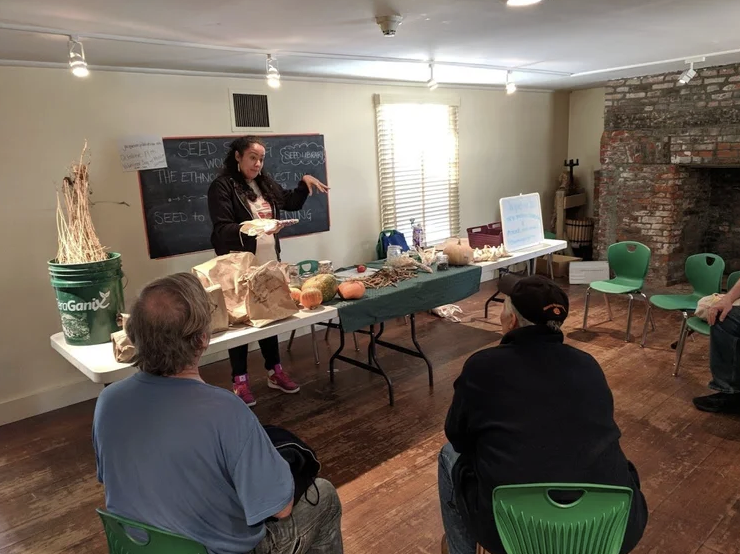
Programs and Activities
Choose a Program
Welcome educators! Below, you can read about our various programs and activities to choose from before booking your group.
-
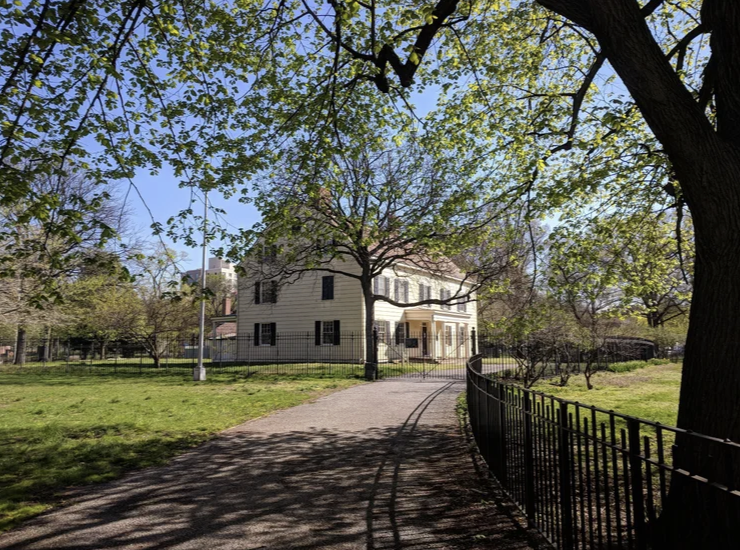
Life at King Manor
Grades 1-5, 6-8
Come to King Manor and learn more about the day-to-day lived experiences of Founding Father Rufus King, his family, and the servants who lived here. Students will explore this historic home and come away with a greater understanding of historical technology, politics, education, farming, and architecture.
This program meets the following New York City Social Studies curriculum standards: 1.2, 1.4, 1.7, 1.8, 2.3, 2.4, 2.6, 2.7, 3.7, 3.8
-
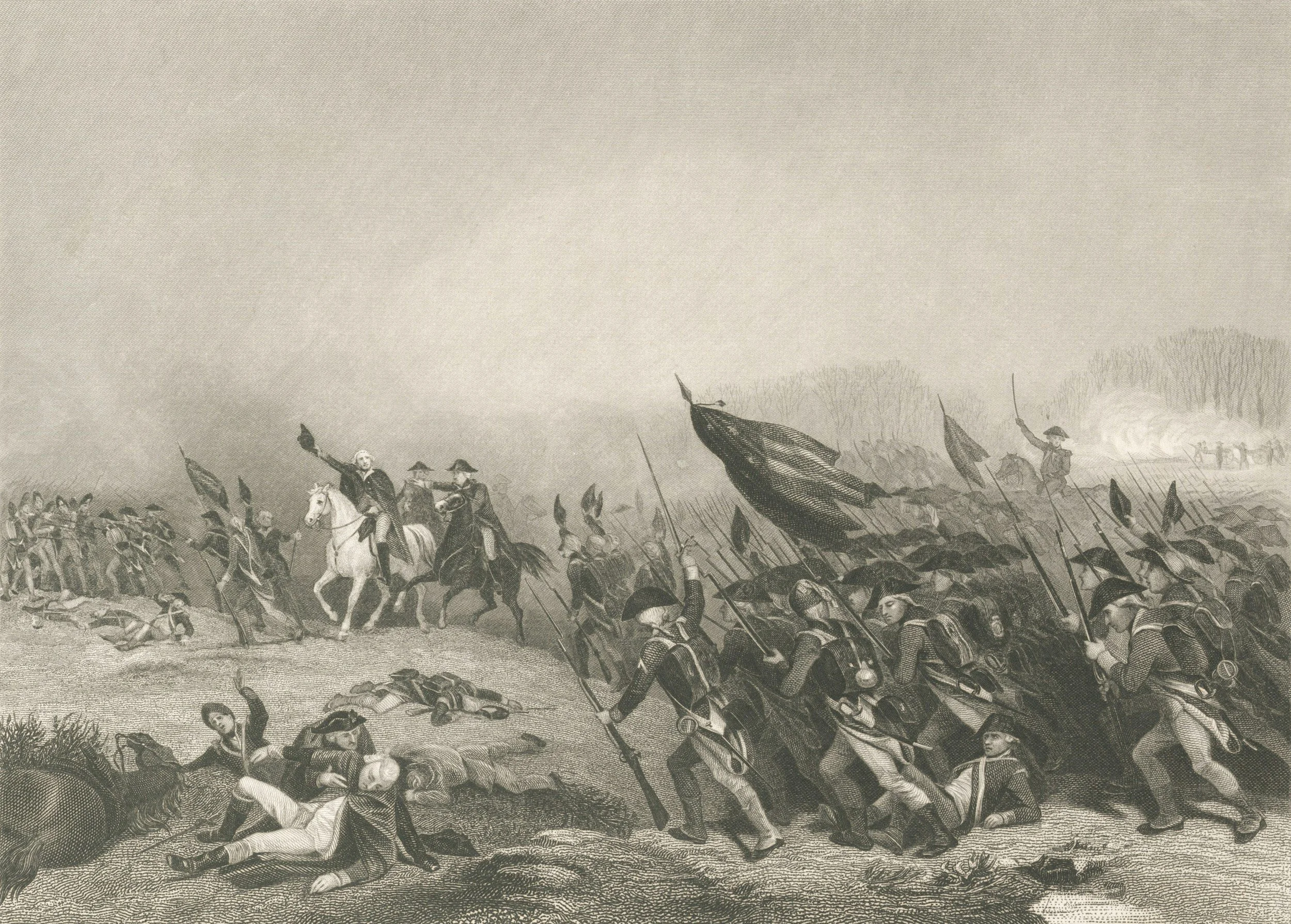
The Revolution in New York
Grades 4-5, 6-8
Take your students beyond the Boston Tea Party and Bunker Hill with this site-specific, engaging program. What was it like to live in New York and Long Island during the American Revolution? What was at stake for the ordinary people caught up in the middle? Students will take on the role of a merchant, tradesperson, or farmer living in Jamaica, Queens in 1775, using our historic site and King Manor’s collections to decide: Patriot, Loyalist, or neither? Discover how people in New York City experienced the war and British occupation, and find out how America changed once the war was over.
This program meets the following New York City Social Studies curriculum standards: 4.3, 4.4, 4.5, 5.3, 5.6
-

STEM Solutions of the 18th and 19th Centuries!
Grades 3-5, 6-8
Have you ever wondered how people living during Rufus King’s lifetime solved everyday problems? People in the 1700 and 1800s solved problems with STEM! Even in the 1700 and 1800s, people were investigating the natural world and inventing and engineering solutions just like we do today! This tour will encourage your students to look closely at the design of everyday objects and the historic King Manor to make inferences and draw conclusions about the technology of the past.
This program meets the following New York City Social Studies curriculum standards: 1.2, 1.4, 1.7, 1.8, 2.3, 2.4, 2.6, 2.7, 3.7, 3.8
Choose an Activity
-

Quill & Ink
GRADES 3-5
Let students try history for themselves in this hands-on learning experience. Students will get to try writing letters using quill pens and ink, just as Rufus King and his family would have in the 18th century. We will practice flourishes and even try to write in script.
*This activity can be quite messy, so we recommend students be between grades 3 and 5 to participate.
Grades 6+
Students will follow a 19th-century oak gall ink recipe, learning the chemistry and practicality behind the same ink used to write the Constitution. Students will also get to try writing with the ink they make, using quill pens.
*Please note this activity is messy and ink can cause permanent stains.
-

American Revolution Spycraft
Grades 3-5
In the summer of 1778, George Washington ordered Major Benjamin Tallmadge to organize a network to spy on the British during their occupation of New York City, an operation now known as the Culper Spy Ring. Learn about the spy network’s operations right here in Queens! Students will make their own Caesar Cipher tool like those used by Tallmadge’s agents, then decode a secret message based on the Battle of Long Island.
Grades 6+
Students will try using the Culper Code, a numerical code used by Tallmadge’s agents that proved an invaluable asset to the patriot cause. Students will encode a letter and discover even more methods for keeping messages from falling into British hands.
This activity is best paired with the Revolution in New York program.
-

Activist Signs
Grades 6-8, 9-12+
What are you most passionate about? By linking past historical American movements such as abolition and women’s right to vote, students will find inspiration from 19th, 20th, and 21st-century demonstration signage and incorporate what they are passionate about today to create their own meaningful activism signs. Examples can include environmentalism, #BlackLivesMatter, and book censorship.
Adult Programs & Activities
Choose a Program
-

Life at King Manor
Come to King Manor and learn more about the day-to-day lived experiences of Founding Father Rufus King, his family, and the servants at King Manor. Participants will explore this historic home and come away with a greater understanding of historical technology, politics, education, farming, and architecture.
-

The Revolution in New York
What was it like to live in New York and Long Island during the American Revolution? What was at stake for the ordinary people caught up in the middle? Participants will have the chance to consider the social and military history of the Revolutionary War for those residing in Jamaica, Queens. Discover how people in New York City experienced the war and British occupation, and find out how America changed once the war was over.
-

From Slavery to Suffrage
Groups will explore founding father Rufus King’s antislavery advocacy, New York State’s manumission laws, and key Black activists of the 19th century working toward equality. Using our historic site, touch objects, documents, King’s antislavery work, and new research into the free Black community of Douglaston in Jamaica Village, participants will be challenged to discuss the social and political landscape of the early American Republic and make connections to modern-day civics.
Choose an Activity
-
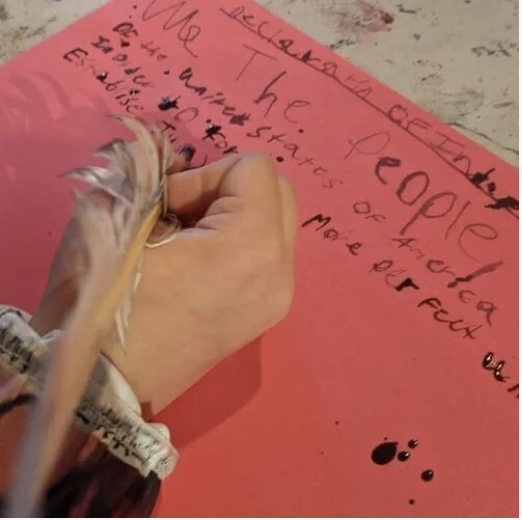
Quill & Ink
Participants will get to try writing letters using quill pens and ink, just as Rufus King and his family would have in the 18th century. Whether you wish to make a piece of art or pen a letter, the choice is yours! For an additional challenge, you can also try following a 19th-century oak gall ink recipe, learning the chemistry and practicality behind the same ink used to write the Constitution.
*Please note this activity is messy and ink can cause permanent stains.
-
American Revolution Spycraft
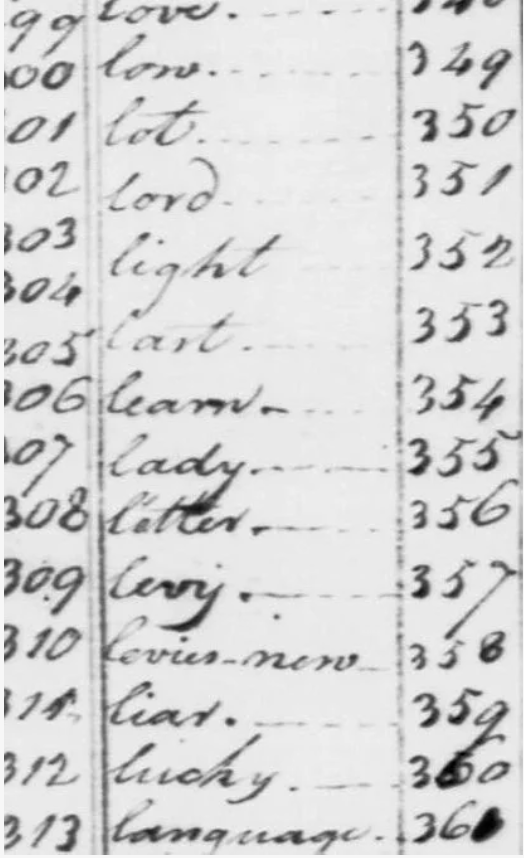
In the summer of 1778, George Washington ordered Major Benjamin Tallmadge to organize a network to spy on the British during their occupation of New York City, an operation now known as the Culper Spy Ring. Learn about the spy network’s operations right here in Queens! Participants will make their own Caesar Cipher tool like those used by Tallmadge’s agents, then decode a secret message based on the Battle of Long Island. For an additional challenge, groups can try using the Culper Code, a numerical code used by Tallmadge’s agents that proved an invaluable asset to the patriot cause.
This activity is best paired with the Revolution in New York program.
-
Activist Signs
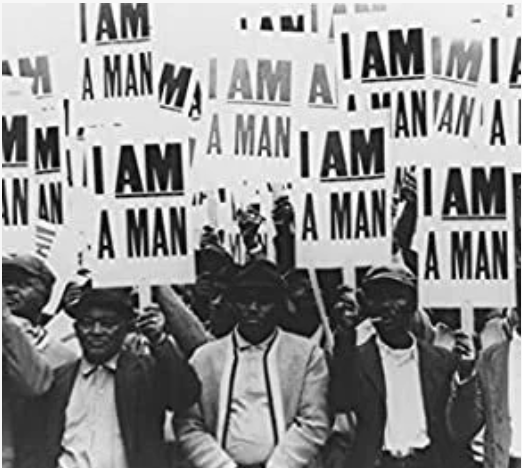
What are you most passionate about? By linking past historical American movements such as abolition and women’s right to vote, groups will find inspiration from 19th, 20th, and 21st-century demonstration signage and incorporate what they are passionate about today to create their own meaningful activism signs. Examples can include environmentalism, #BlackLivesMatter, and book censorship.
This activity is best paired with the From Slavery to Suffrage program.

“We have been included in the most recent article on the best field trip locations to visit in New York by the international educational publisher Twinkl – you can read more here.”