Jamaica | Jamaica
Out of Many, One People: The Jamaican Spirit in Jamaica, Queens
Jamaica, Queens, is more than just a place on the map — it’s a living mosaic, shaped by waves of immigrants who’ve brought their dreams, talents, and traditions to its streets. Among these vibrant communities is the Jamaican diaspora, whose influence can be felt in the rhythm of daily life.
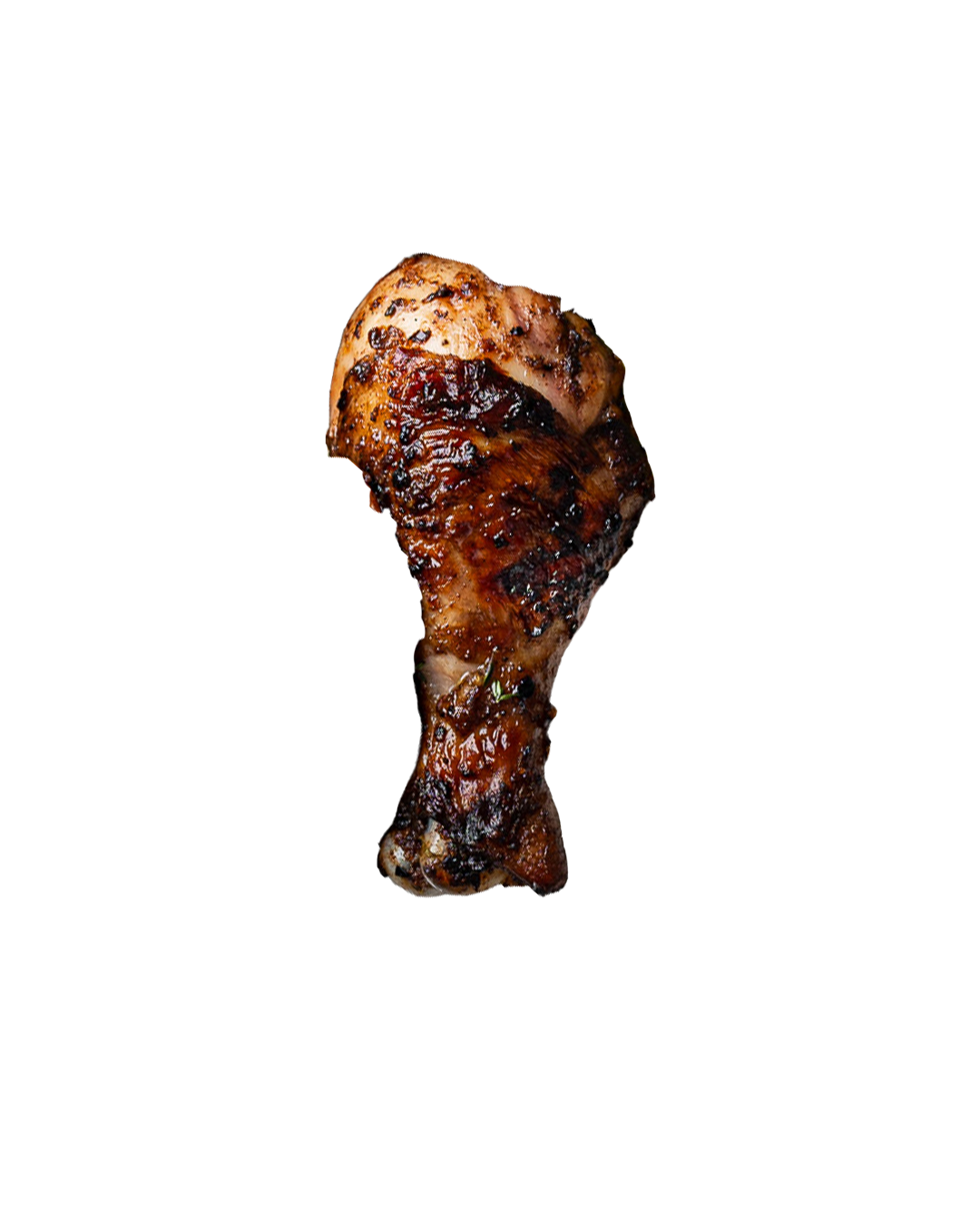
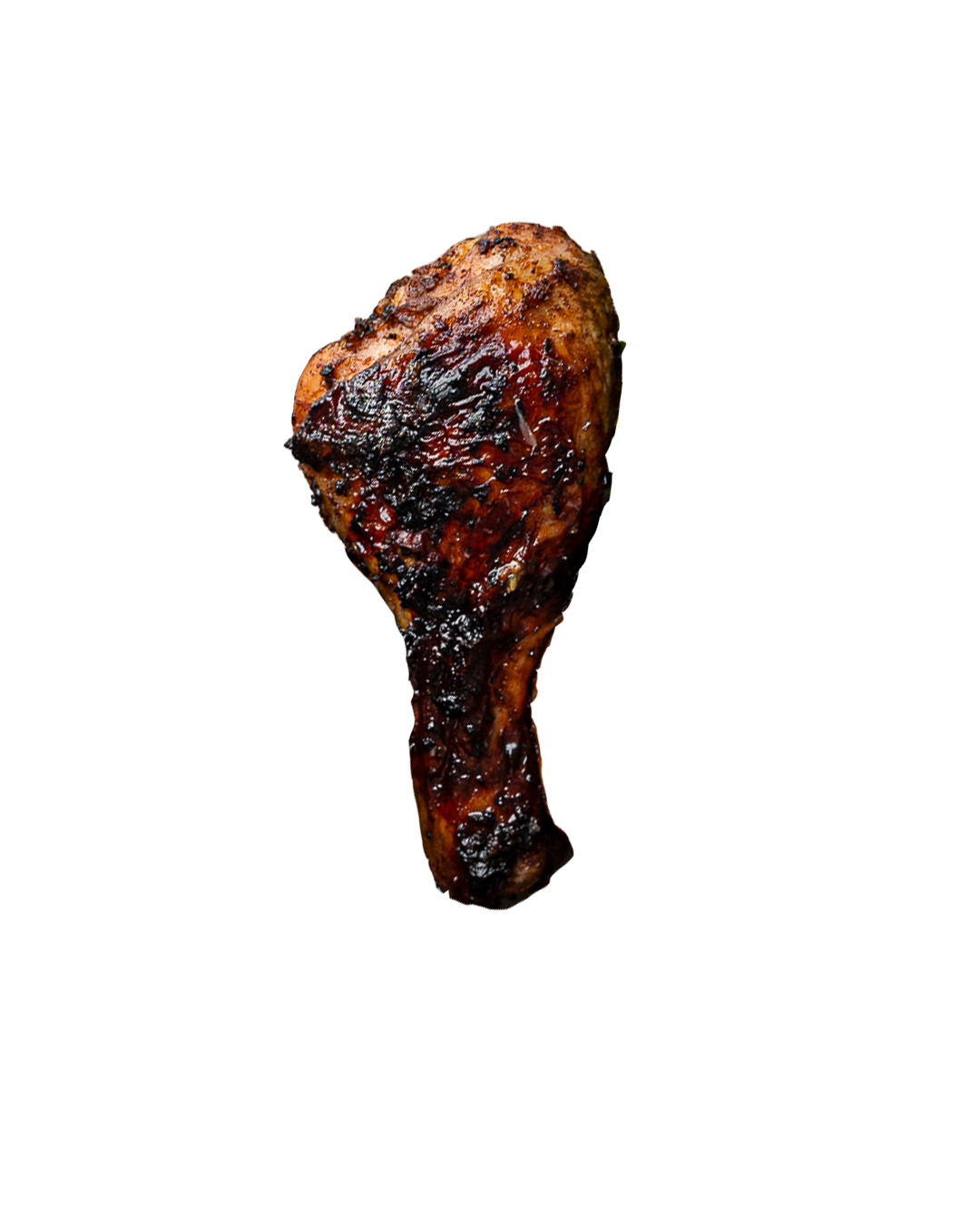
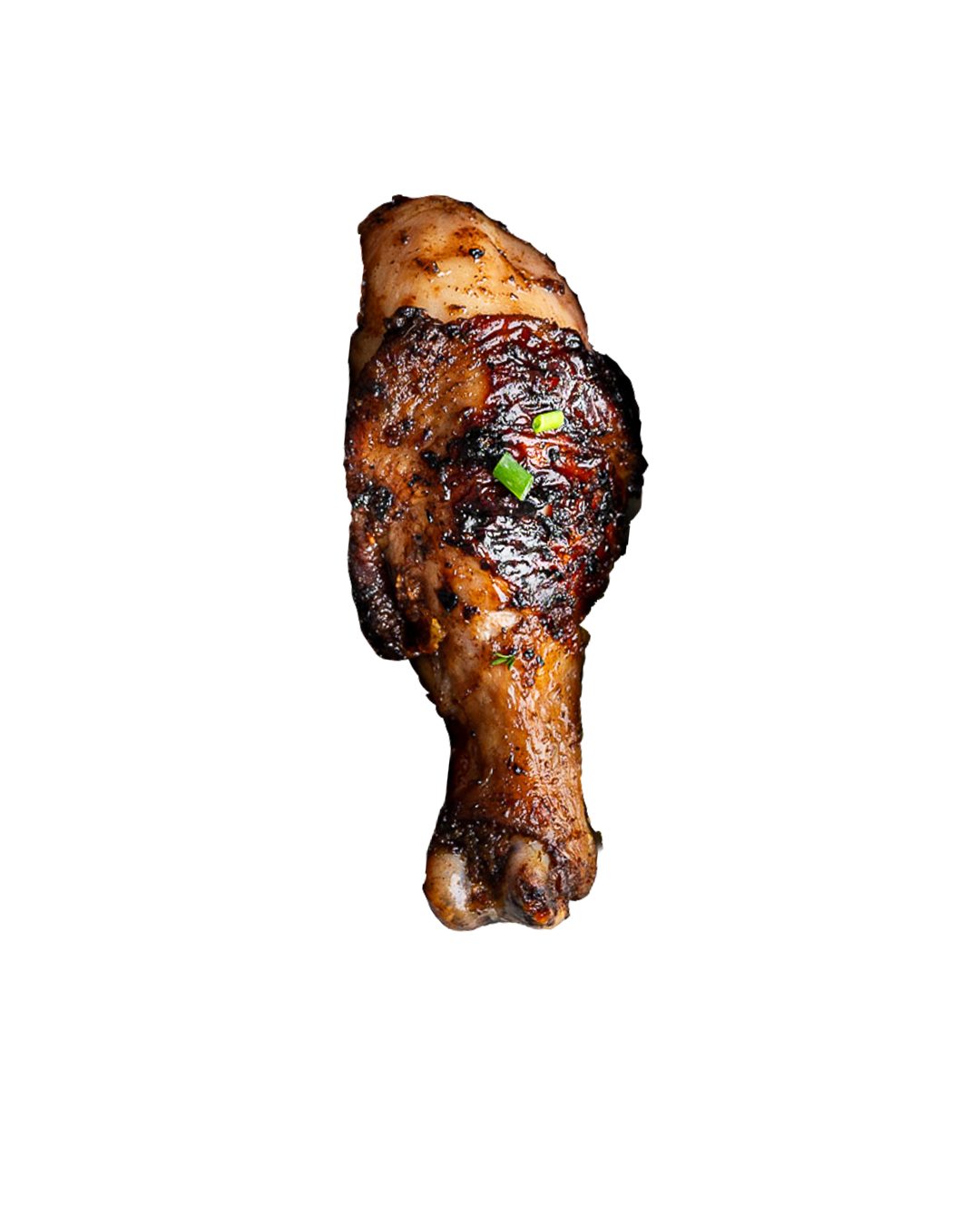
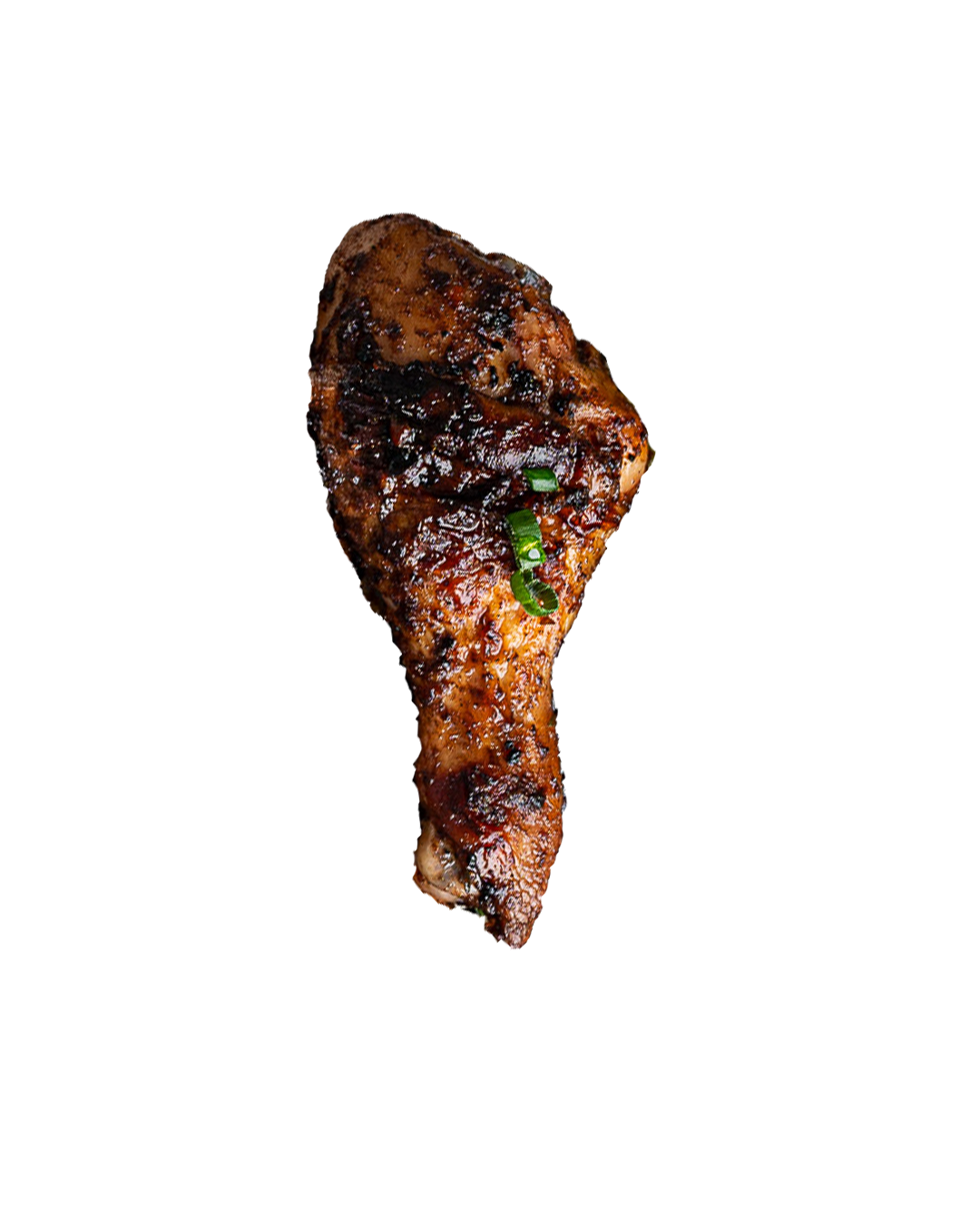
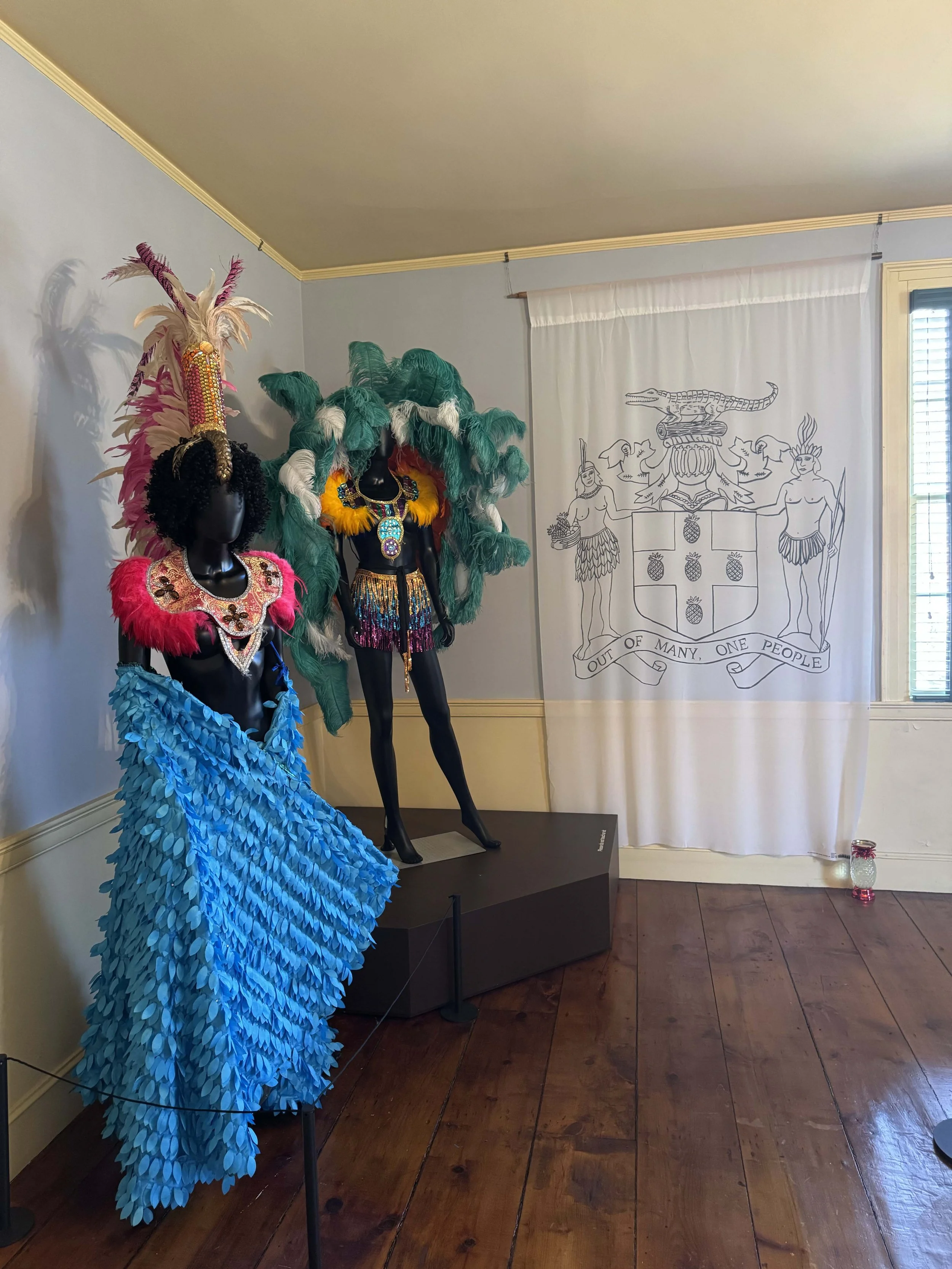
“Out of Many, One People,” the national motto of the island of Jamaica, parallels the diverse, multi-ethnic community of Jamaica, Queens. Taking inspiration from this motto, the exhibition explores how Jamaican immigrants have helped define the cultural landscape of our neighborhood. From the roots of reggae and dancehall echoing through local sound systems, to the aroma of jerk chicken wafting from food carts and restaurants, Jamaican culture has become an essential part of the neighborhood’s identity.
But this story goes beyond music and cuisine. It’s about the language spoken in barbershops and churches, the storefronts built from hard work and hustle, the street festivals that bring culture and unity, and the legacy of a people.
Jamaica | Jamaica highlights the voices, struggles, celebrations, and contributions of a community that continues to shape and be shaped by Jamaica, Queens.
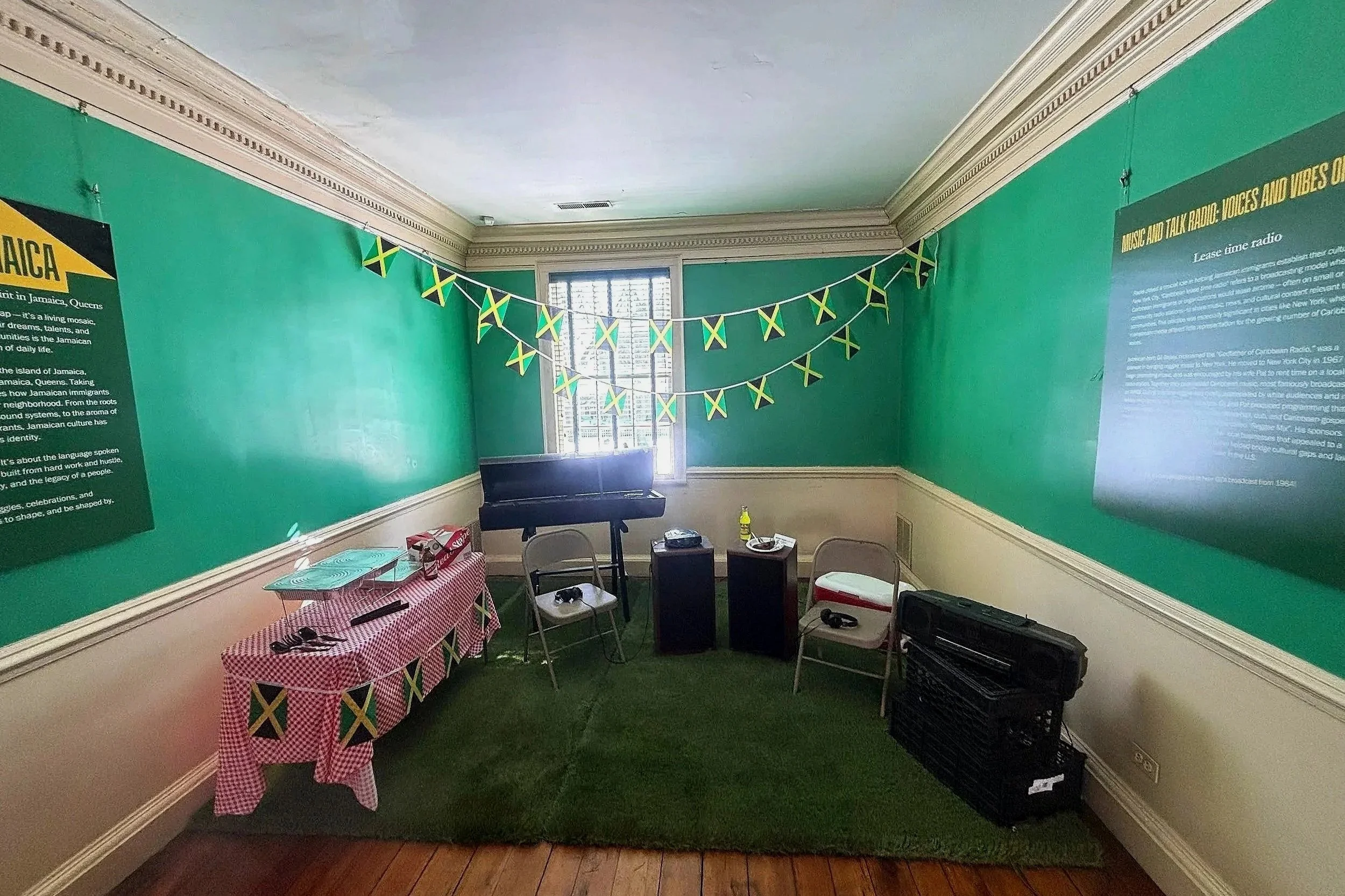
Music and Talk Radio: Voices and Vibes of Jamaica
Lease Time Radio

Radio played a crucial role in helping Jamaican immigrants establish their culture in New York City. "Caribbean lease time radio" refers to a broadcasting model where Caribbean immigrants or organizations would lease airtime — often on small or community radio stations—to share music, news, and cultural content relevant to their communities. This practice was especially significant in cities like New York, where mainstream media offered little representation for the growing number of Caribbean voices.
Hear Gil Bailey speak from 23:00 to 24:31
Jamaican-born Gil Bailey, nicknamed the “Godfather of Caribbean Radio,” was a pioneer in bringing reggae music to New York. He moved to New York City in 1967 to begin promoting music, and was encouraged by his wife Pat to rent time on a local radio station. Together they popularized Caribbean music, most famously broadcasting on WHBI. During this time reggae was mostly appreciated by white audiences and not widely embraced by the Jamaican diaspora. Gil and Pat produced programming that included reggae, ska, rocksteady, lover’s rock, dancehall, dub, and Caribbean-gospel music. He also hosted a popular call-in talk show called “Reggae Mix”. His sponsors included local Caribbean patty shops, and other local businesses that appealed to a Caribbean immigrant audience. Gil and Pat Bailey helped bridge cultural gaps and laid the foundation for the growth of Caribbean music in the U.S.

VP Records
Walking through downtown Jamaica, you’ll inevitably hear Caribbean music bumping from a storefront or a passing car. Keep going down the Ave and you’ll get to the headquarters of Caribbean music in Queens: the iconic VP Records.
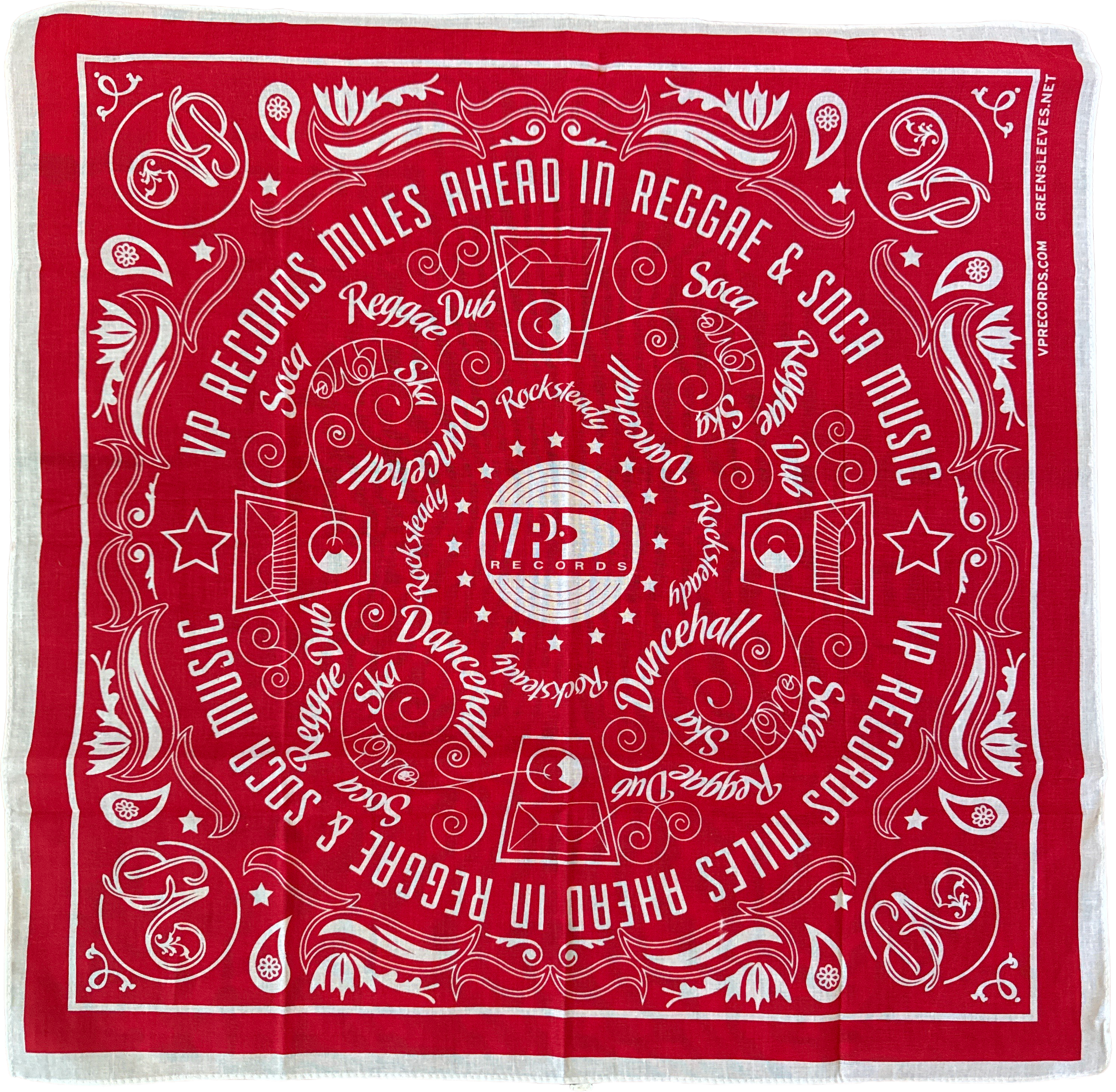
Founded by Jamaicans Vincent and Patricia Chin, VP Records began over 50 years ago in Kingston, Jamaica, and later took root in Jamaica, Queens. A pioneer in reggae, dancehall, and soca, VP is the only label representing the full spectrum of Caribbean music. With international stars like Sean Paul and Gyptian, the label has brought Caribbean sounds to the global stage. It has become the world's largest independent label and distributor of Caribbean music. Today, VP Records continues to thrive as a family-run business, preserving and promoting Caribbean culture through music, fashion, and community.
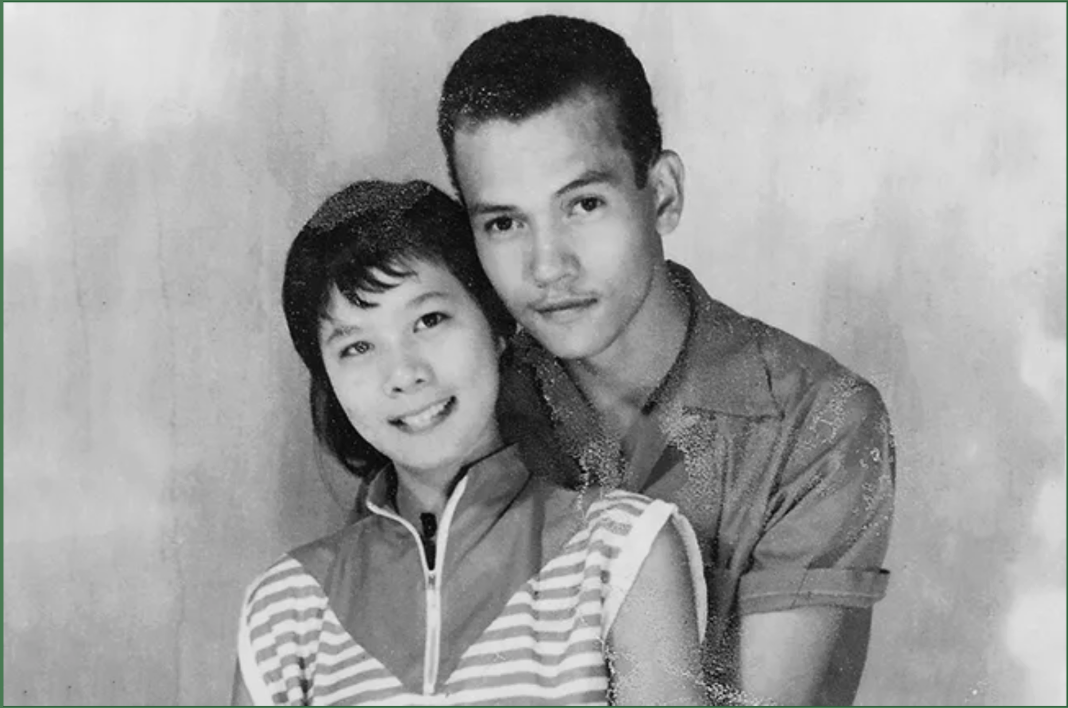
Vincent and Pat Chin in the 1980s. Courtesy of VP Records.
Interview with Ms. Pat courtesy of NY1 News.

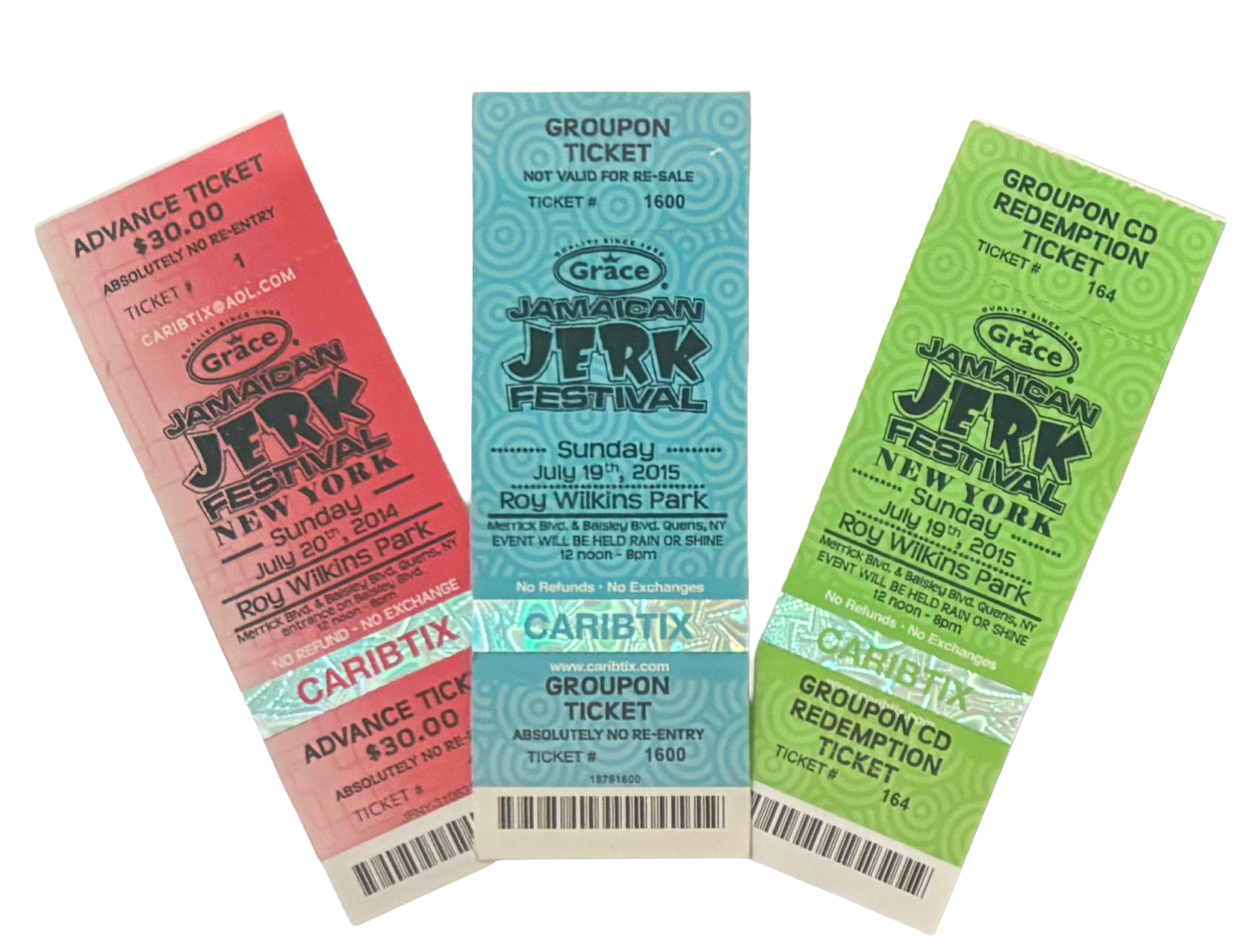
Three tickets to Grace Jamaican Jerk Festival, 2014 & 2015
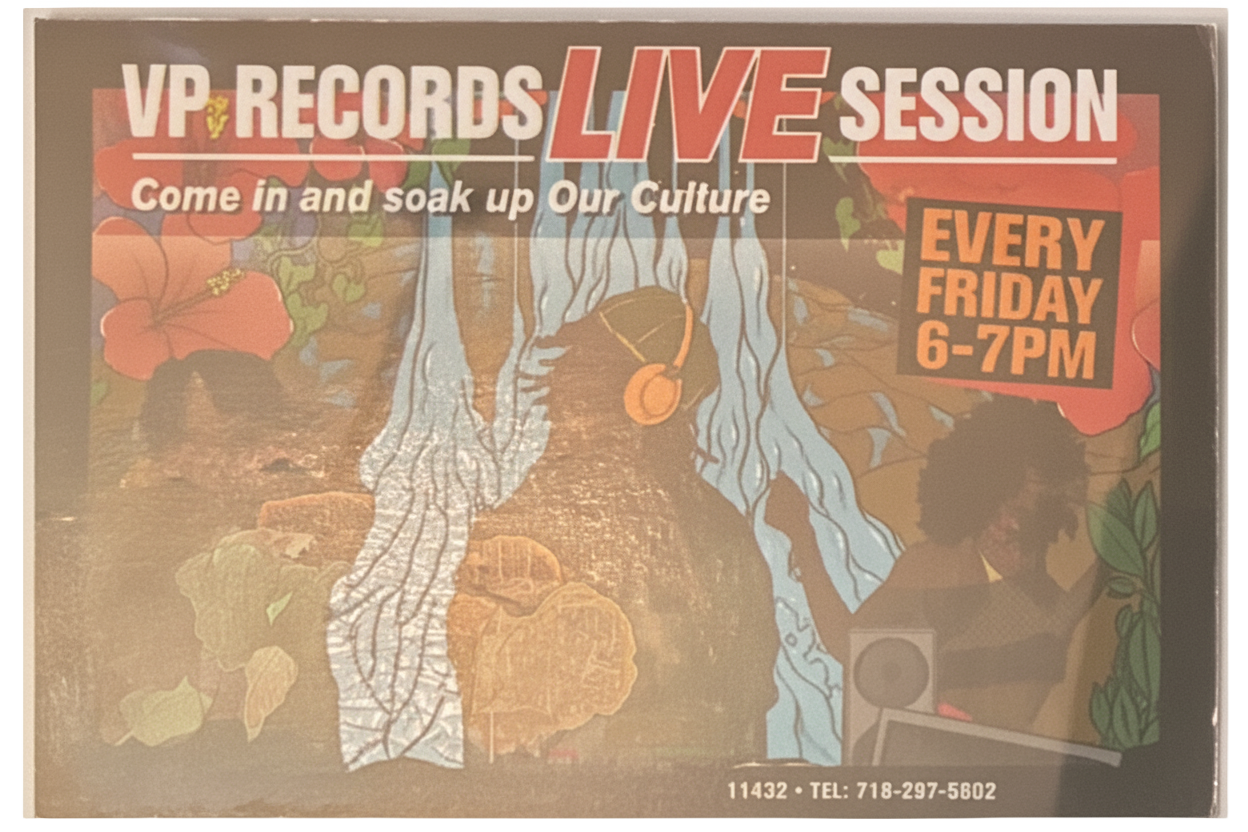
VP Records Live Sessions Promotional Card
VP Records Pop-Up Space Advertisement
VP Records Promotional Bandanna
VP Record's 40th Anniversary "The Reggae Trail" Pamphlet, 2019
Launched in New York as the first phase of a global initiative by VP Records, The Reggae Trail maps the recording studios, record stores, and performance spaces that helped shape the city's reggae scene. This project highlights reggae's deep roots in urban culture and its impact on music communities around the world.
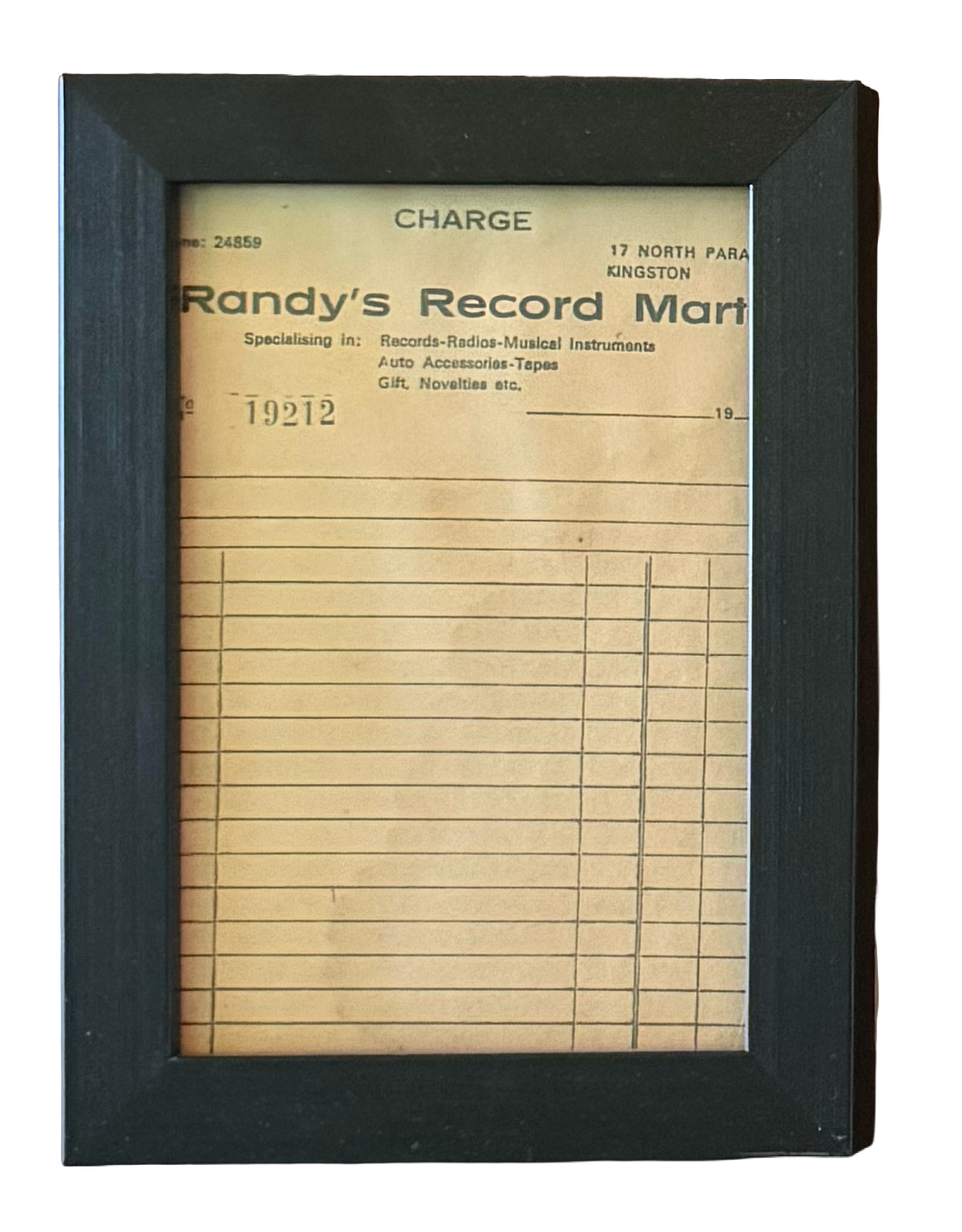
Randy's Record Mart Accounting Book Page, c. 1960s
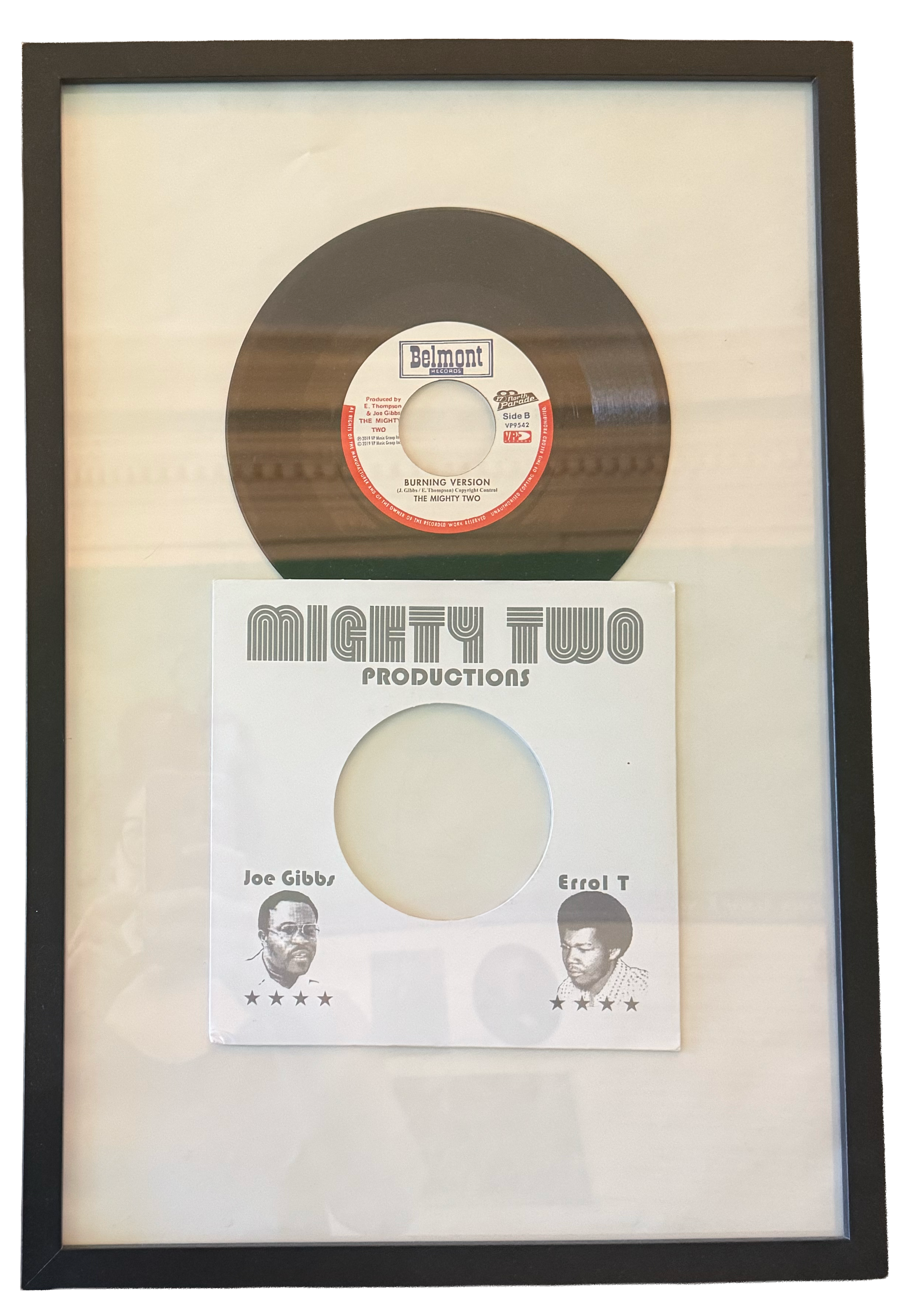
Mighty Two Production Record, 2019
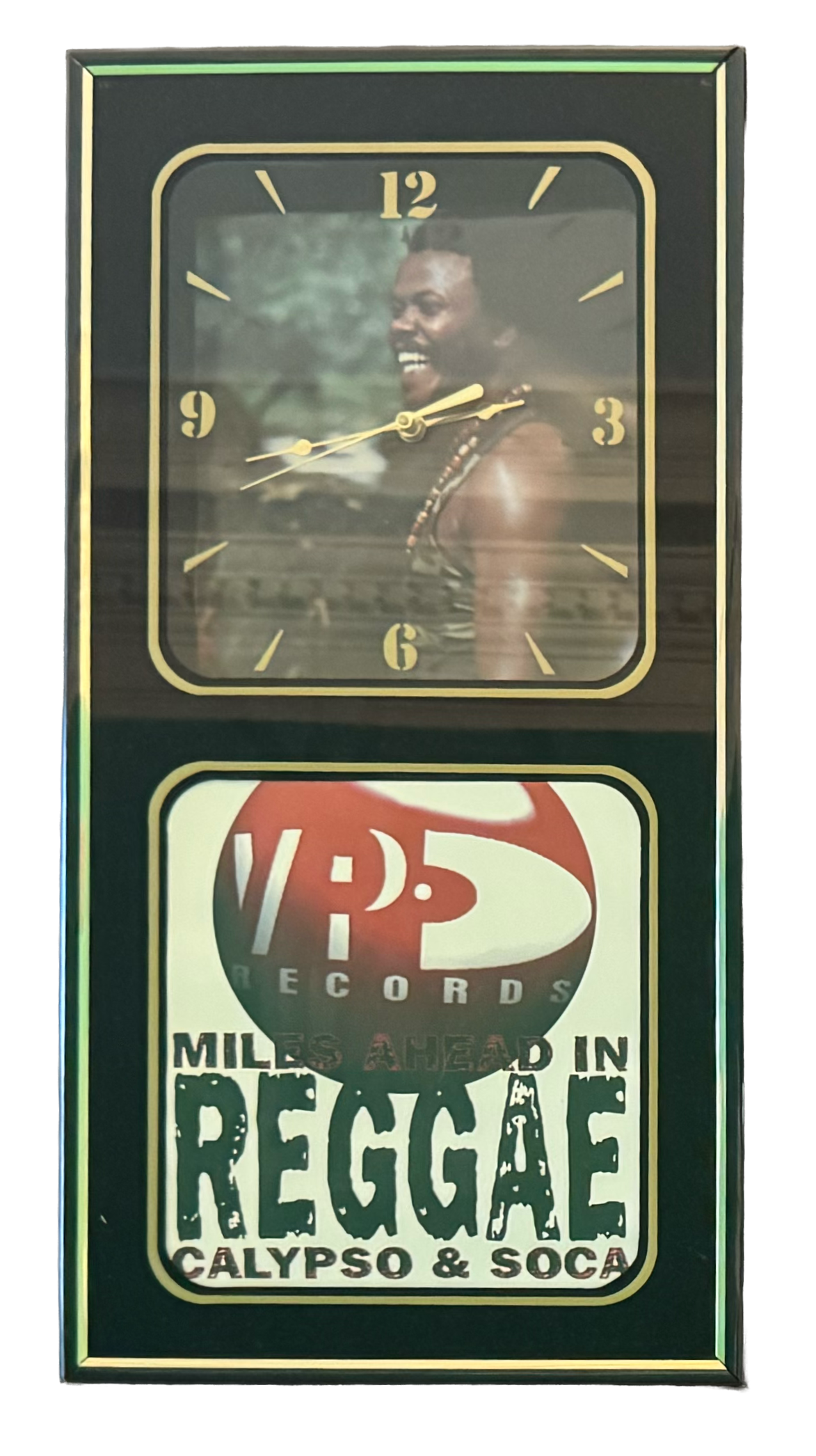
Miles Ahead in Reggae, Calypso & Soca Souvenir Clock
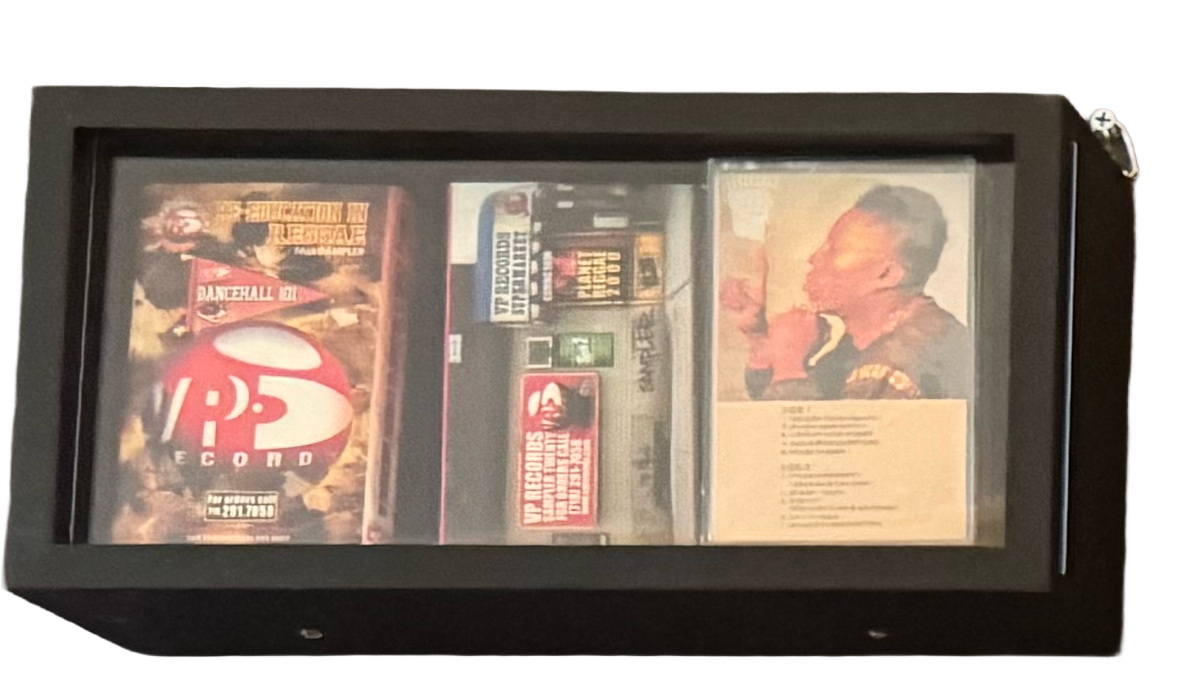
Golden Touch cassette tape by Shabba Ranks, 1991
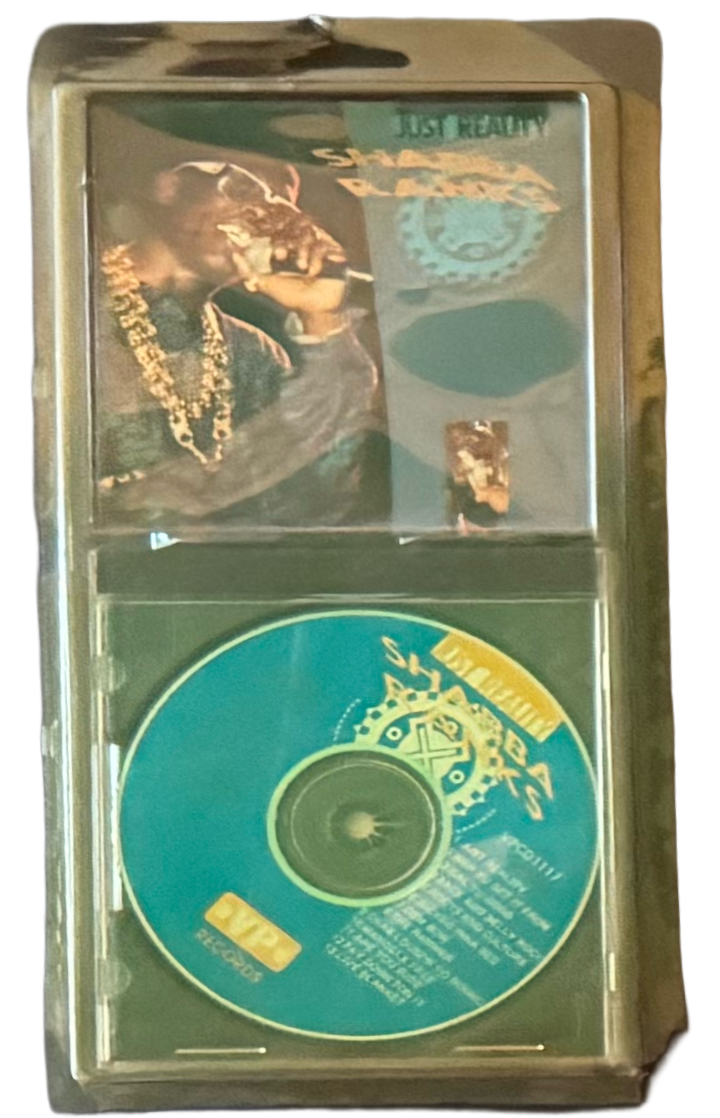
Just Reality by Shabba Ranks double CD, 1990
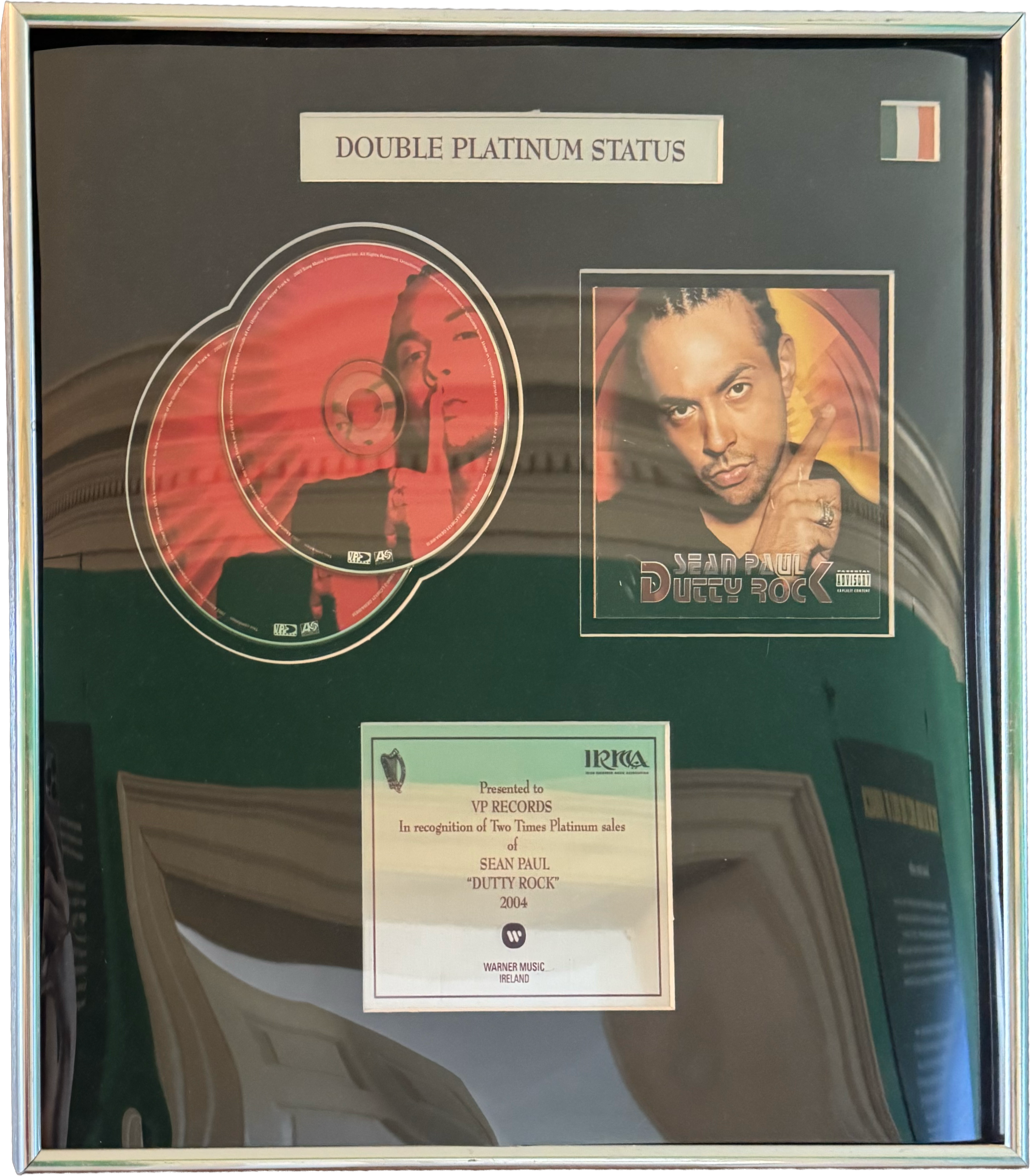
Sean Paul's Double Platinum Album, 2004
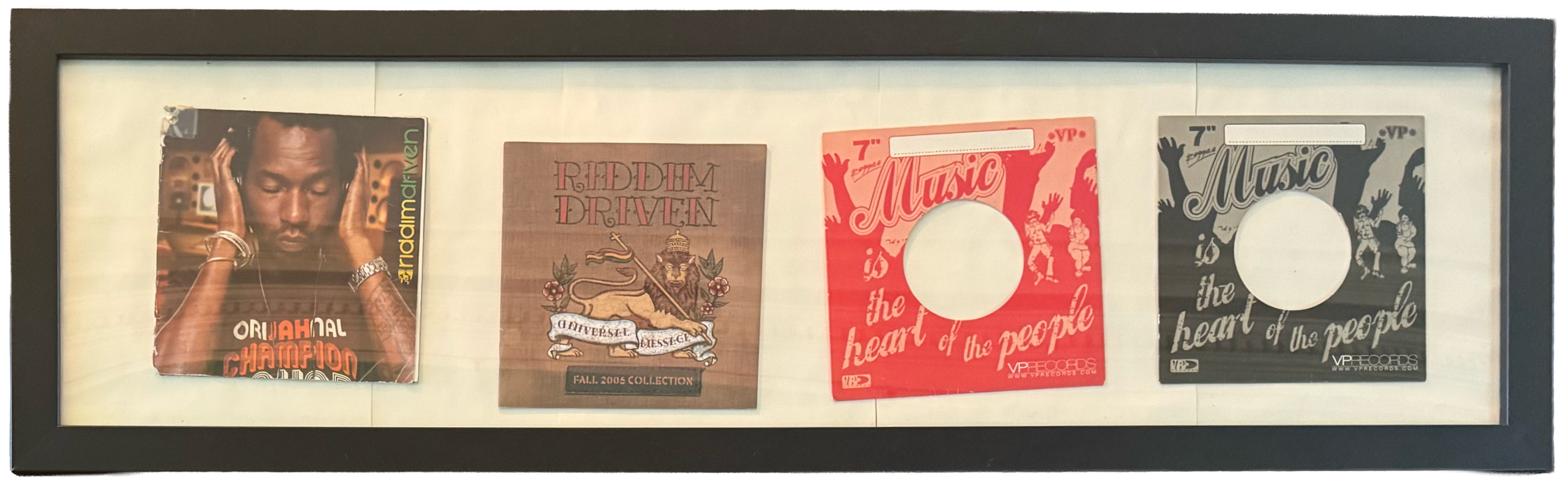
VP Records 7° Album Jackets
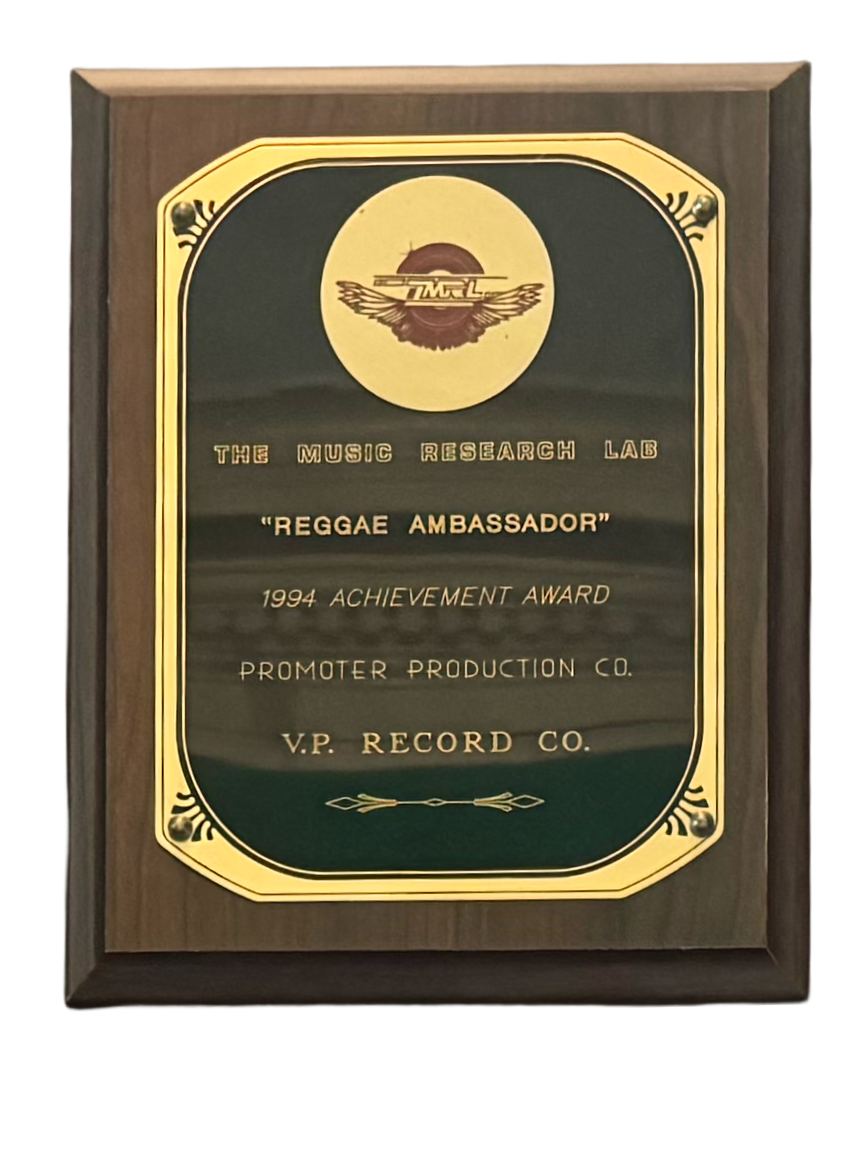
The Music Research Lab, "Reggae Ambassador" Achievement Award, 1994
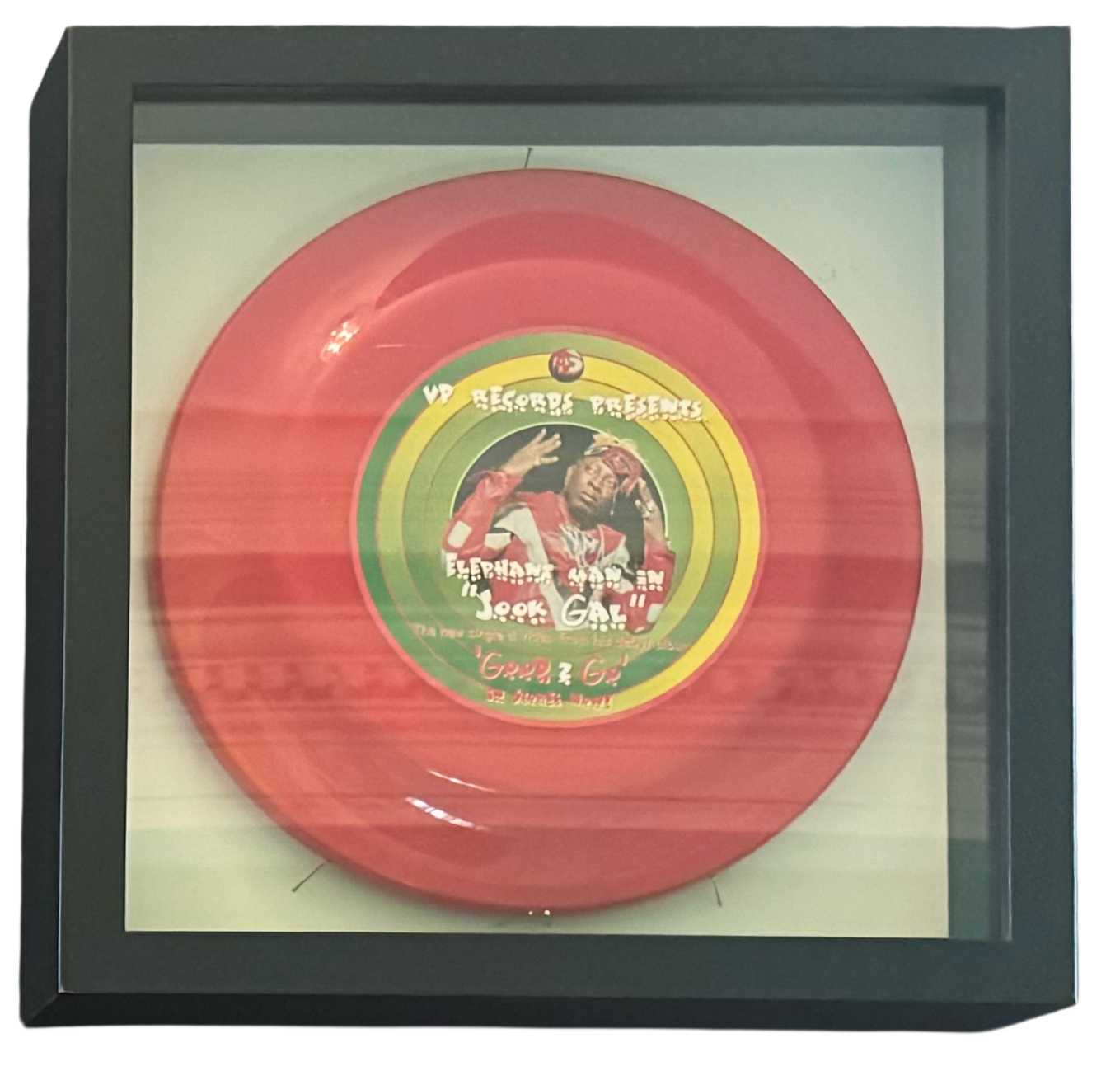
VP Records Promotional Frisbee, 2004

Every bite of Jamaican cuisine tells a story. Bold and vibrant, its flavors are the result of centuries of movement, struggle, and cultural blending. From the smoky techniques of the indigenous Taino and Arawak peoples to the rich spices of Anca, the influences of European colonizers, and the culinary touches of Indian and Chinese immigrants, Jamaican food is a delicious reflection of the island's layered history.
Signature dishes like jerk chicken, ackee and saltfish, bammy (a traditional Jamaican cassava flatbread), curried goat, and nice and peas speak to this complex heritage. Jerk, a method developed by the Maroons, escaped enslaved Africans, uses a blend of allspice.
Scotch bonnet peppers and herbs are traditionally slow-cooked over pimento wood. Ackee, a plant native to West Africa, was brought to Jamaica during the transatlantic slave trade and paired with salted cod, an import from Europe, creating a dish that is now the country's national symbol.
Over time, Indian spices, Chinese stir-fry techniques, and British baking traditions shaped everyday meals, street food, and celebratory dishes across the island. Jamaican food is deeply communal, served at festivals, family gatherings, and roadside cookshops, offering nourishment and a sense of belonging.
NYAM OUT YUH PLATE CLEAN:
THE STORY OF JAMAICAN FOOD
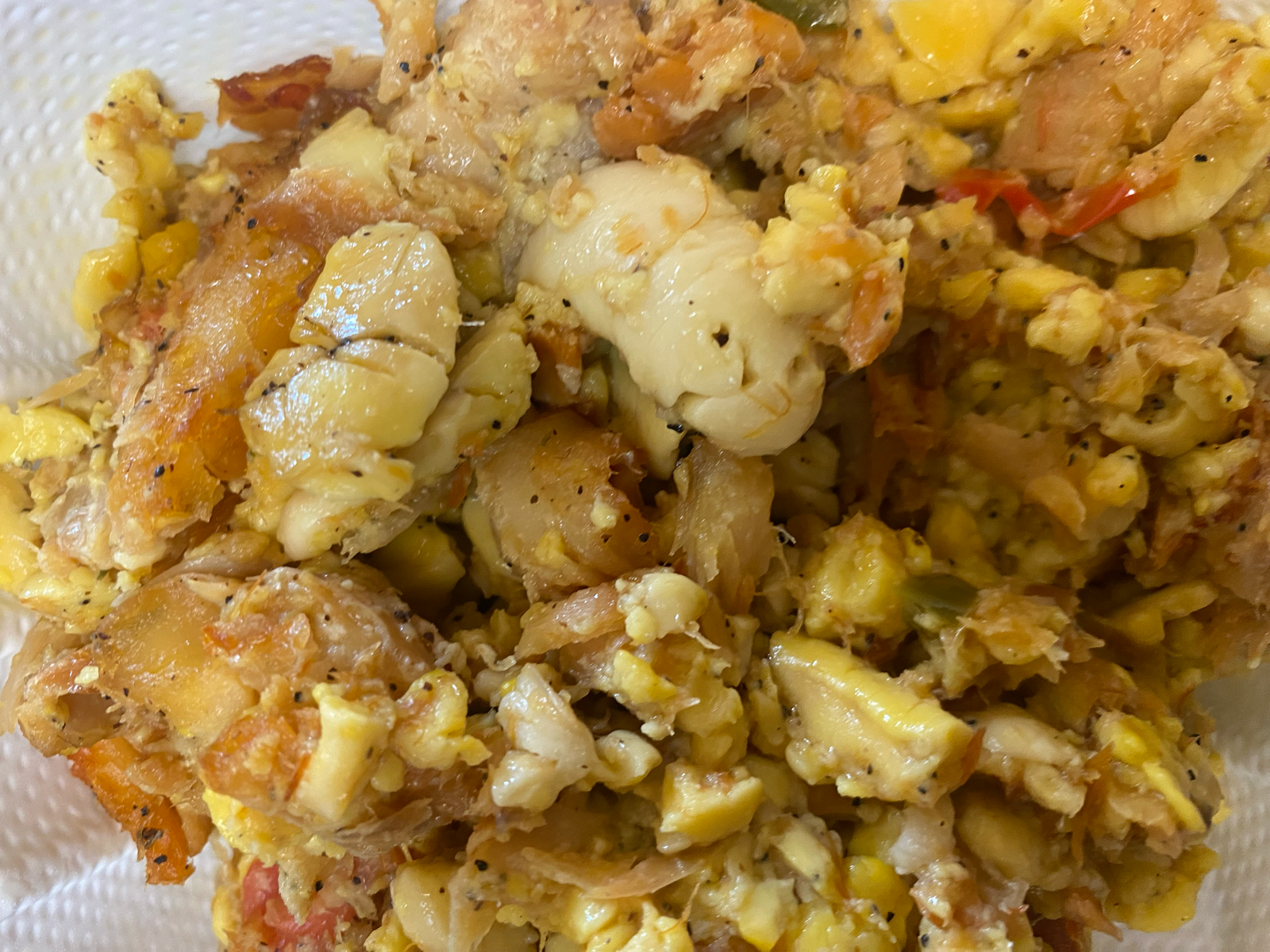
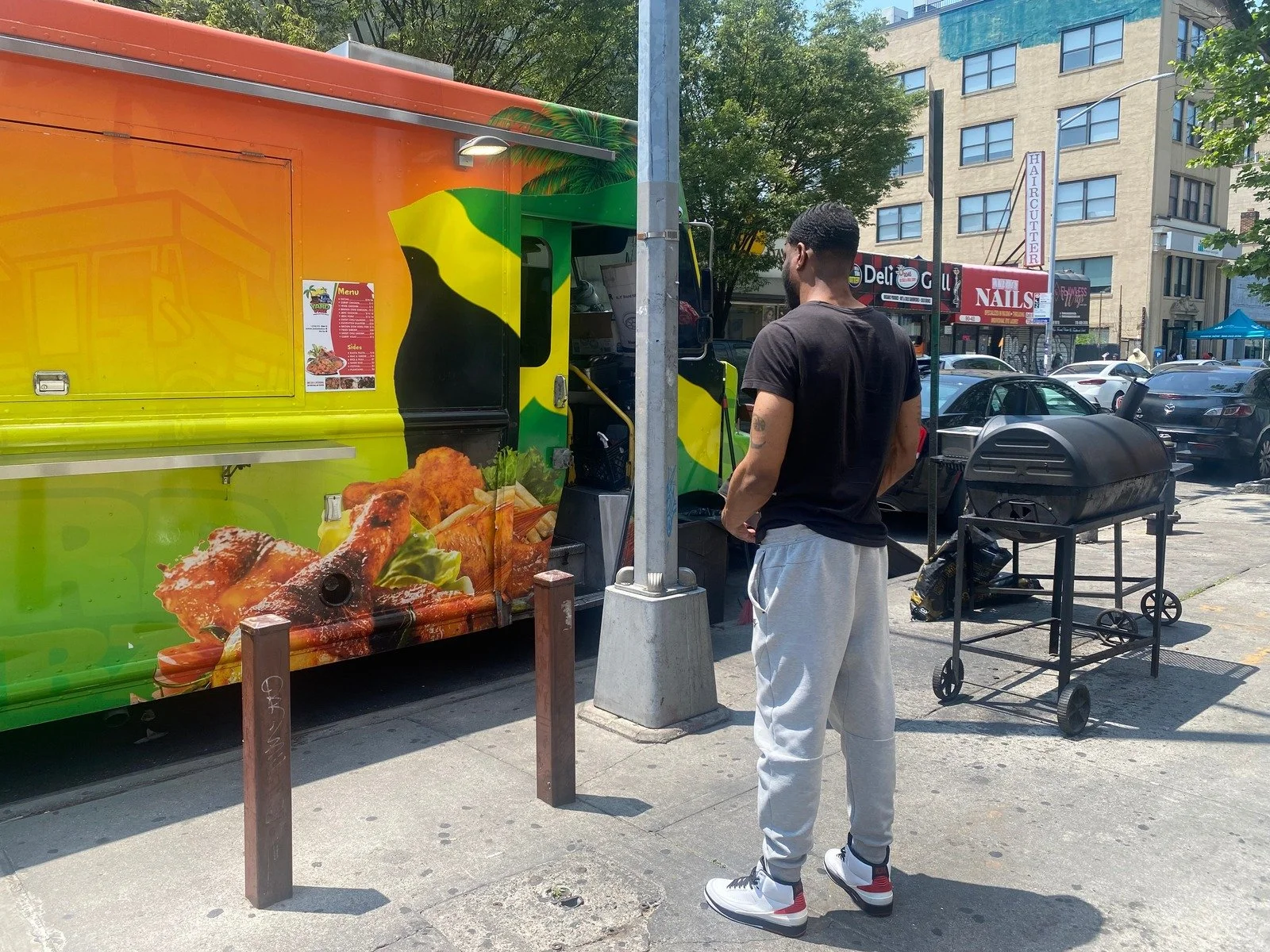
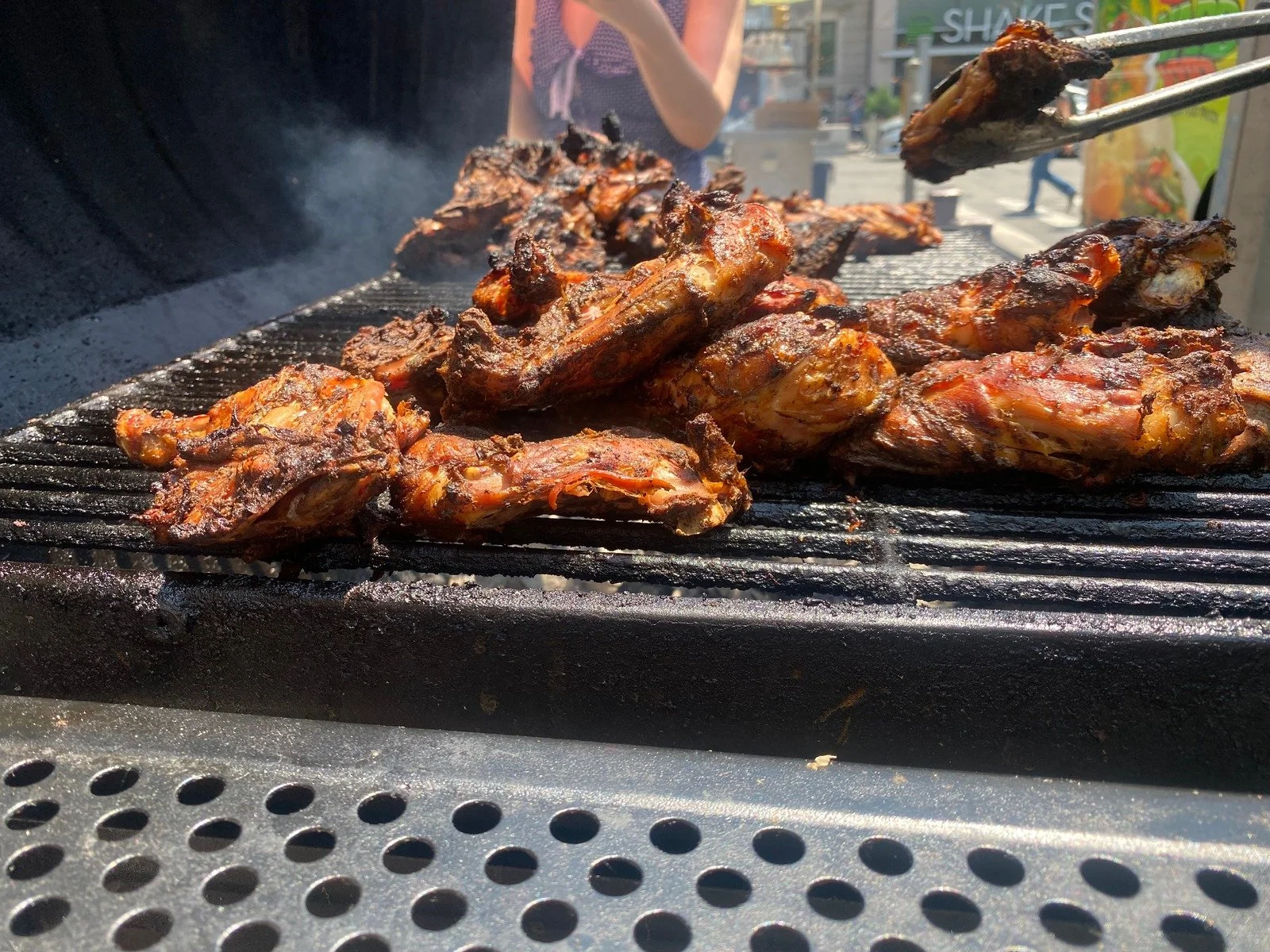
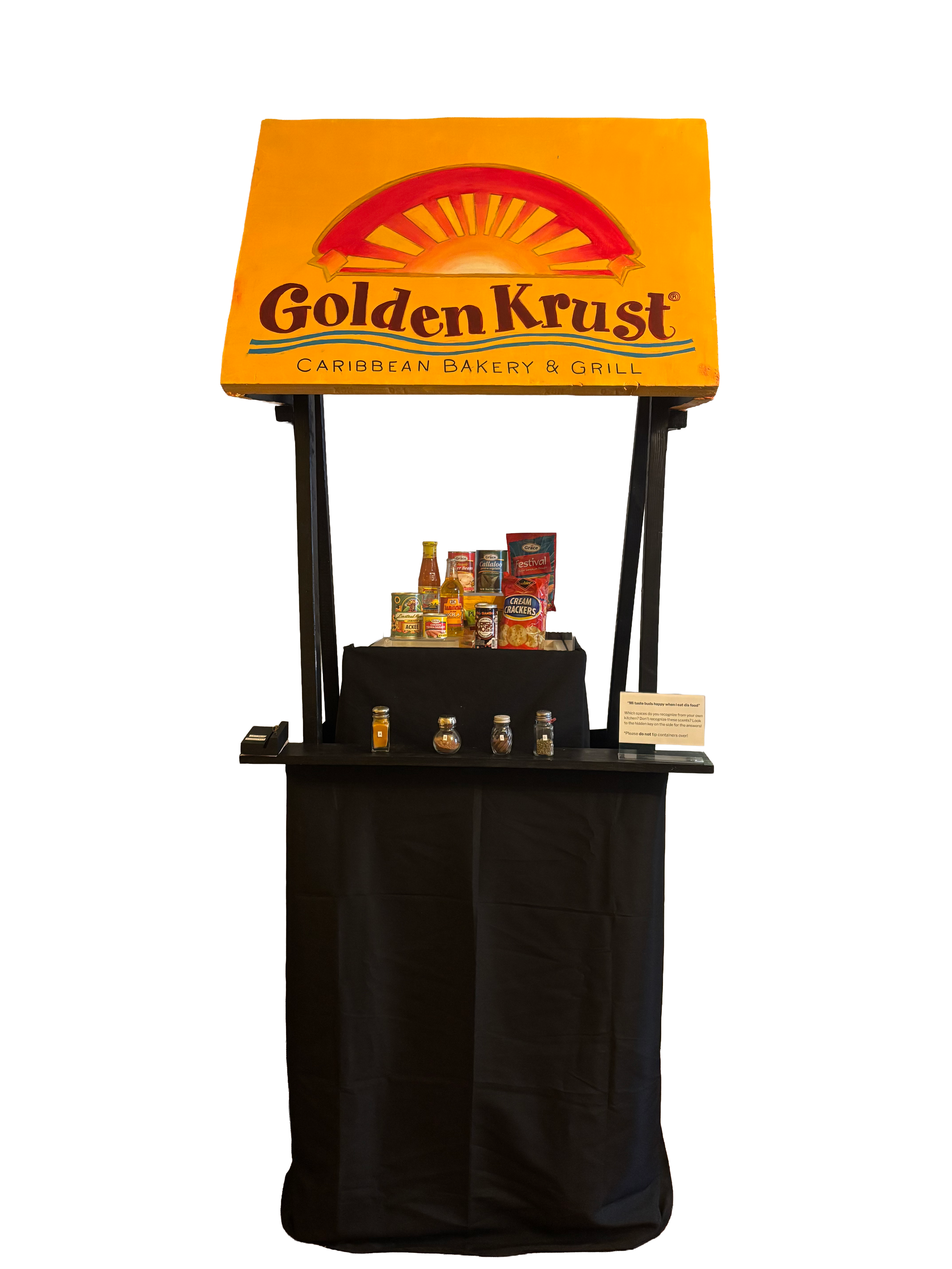
Courtesy of Vaughn Bentley Creative Llc.
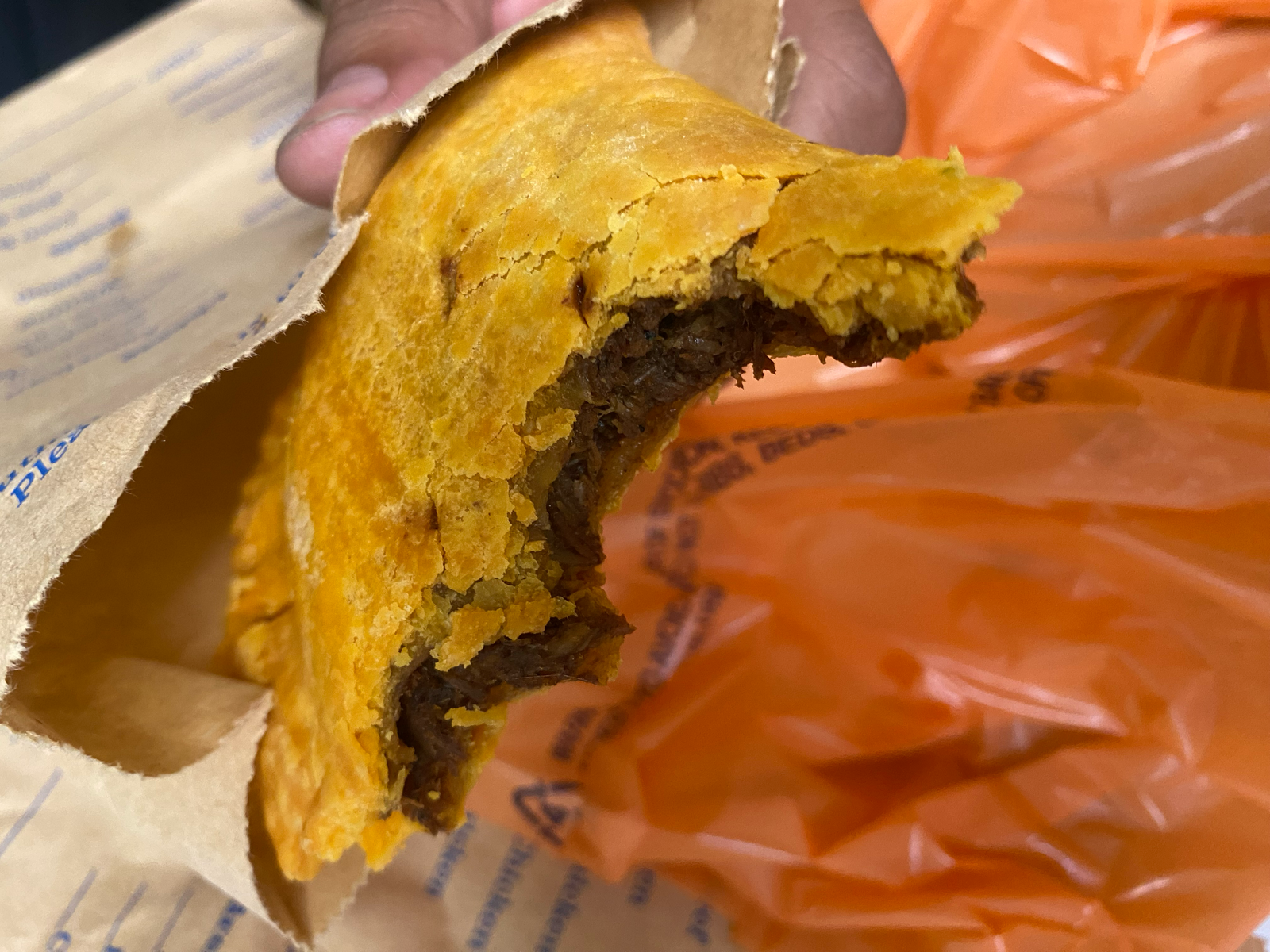
No stroll down Jamaica Avenue is complete without munching on a Jamaican patty!
The story of Jamaican cuisine continues to evolve globally. In 1989, Lowell Hawthorne and his family founded Golden Krust Caribbean Bakery & Grill in the Bronx after immigrating from St. Andrew Parish, Jamaica. What began as a single patty shop grew into the largest Caribbean restaurant chain in the United States, introducing classics like beef patties and oxtail stew to a wider audience. Our neighborhood is home to several beloved Golden Krust franchise locations!
Just walk down Jamaica Avenue and you’ll experience authentic jerk chicken cooked on a traditional jerk pan by Yard Vybz Jamaican Food Truck. Or join the line on the corner at Jamaican Flavors for a freshly baked patty on cocobread. From recipes passed down through generations to modern interpretations served from food trucks, Jamaican cuisine has become a powerful symbol of cultural pride and entrepreneurial spirit in the Caribbean diaspora.
Shadow Transport: Dollar Vans
Jamaica is one of New York City’s busiest hubs for Dollar Vans, informal commuter vehicles that bridge gaps in public transit. Running east and west from Jamaica Center, these vans travel deep into neighborhoods along the Nassau County line, reaching areas that subways and buses often bypass.
Dollar Vans came out of necessity after an 11-day MTA strike in 1980. They earned the nickname “Dollar Vans” because their fare matched the cost of a one-way subway ride at the time: just one dollar. Although the MTA’s introduction of bus-to-subway transfers in 1996 made the vans a more expensive option, they continue to be popular as much of Queens remains a transit desert. Often driven by Jamaican immigrants, Dollar Vans also provide a sense of trust and consistency for their riders, who are often of similar backgrounds. As one driver put it, “when we service our community, we’re always there.”*
*Driver Anthony Henry, as quoted it “Between the Cracks: How Dollar Vans Serve Transit Deserts and the Tense Movement Towards Legitimacy“ by Gillian Goodman, 2024.
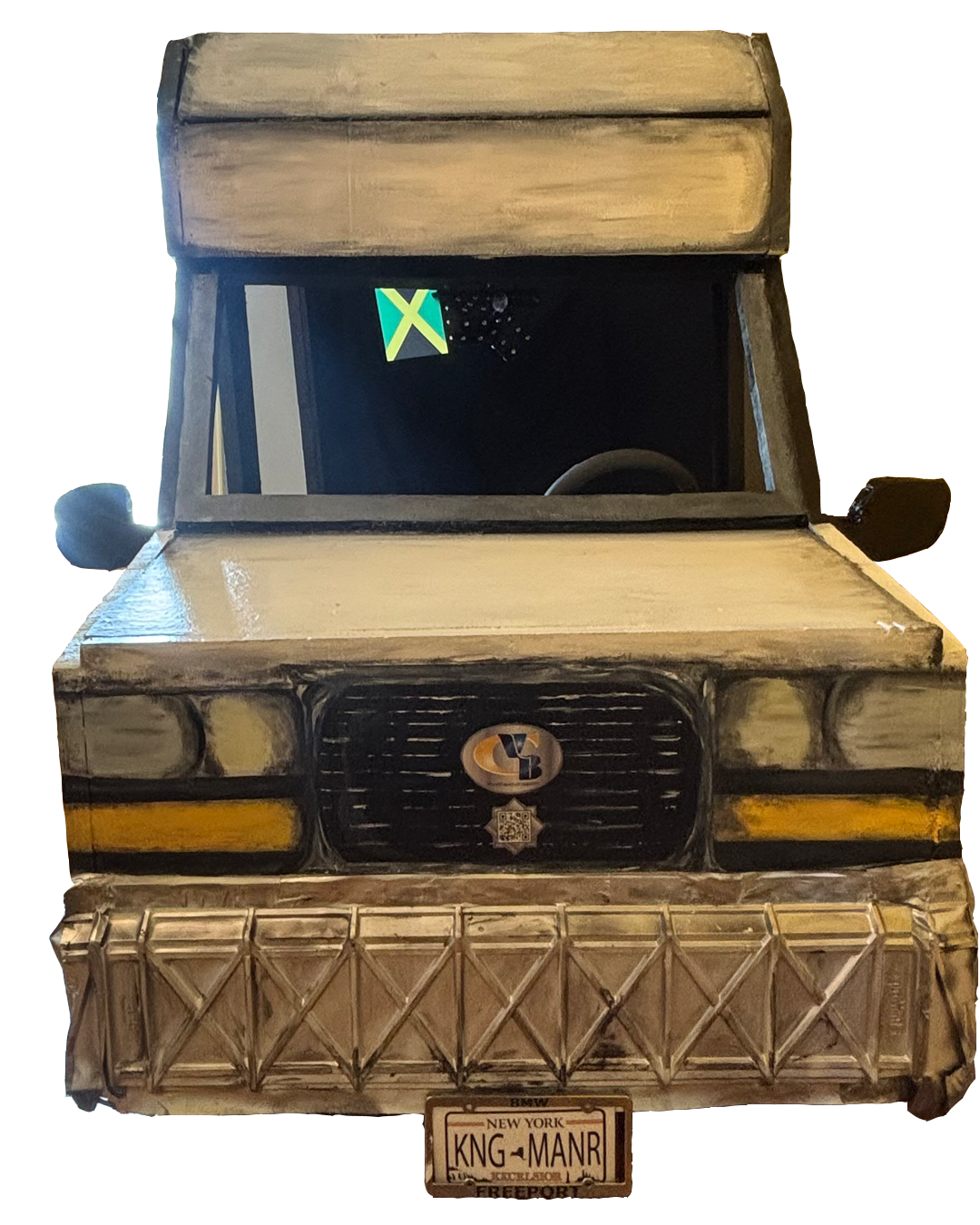
For over 30 years, commuter vans have faced a complicated and sometimes hostile regulatory landscape. Oversight has changed hands multiple times, and drivers have often dealt with police harassment. Since 1994, the New York City Taxi and Limousine Commission has licensed vans to serve areas where public transit is limited. But strict rules make it hard to operate: licensed vans can’t pick up passengers along regular bus routes and must pre-arrange every ride. Today, most vans on the road remain unlicensed, far outnumbering the 481 that have official approval. At least seven Dollar Van lines operate out of Jamaica and stretch as far as Valley Stream in Nassau County.
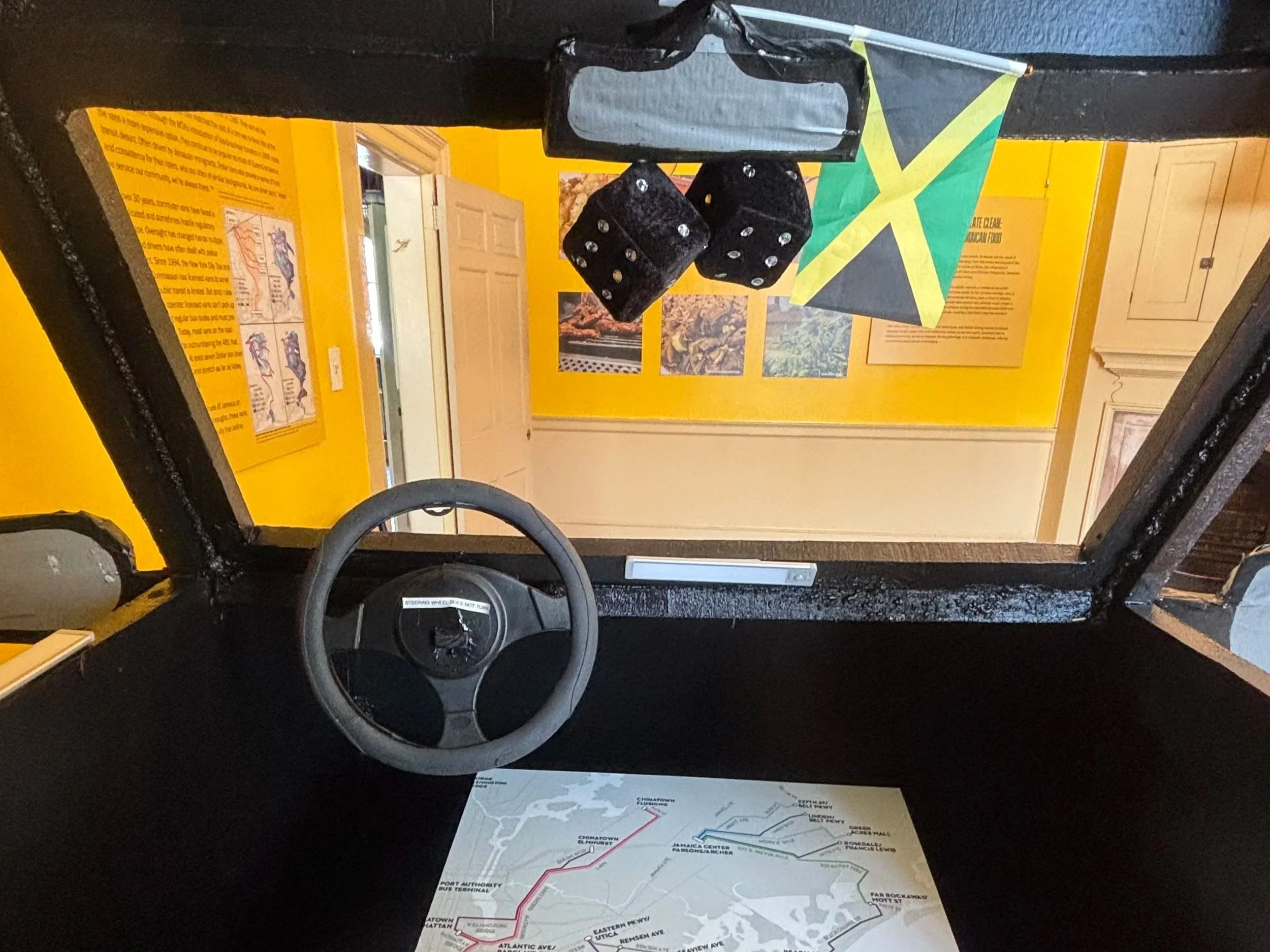
Courtesy of Vaughn Bentley Creative Llc.
Whether navigating the avenues of Jamaica or connecting enclaves across boroughs, these vans reflect the resilience and ingenuity that define immigrant life in New York City.
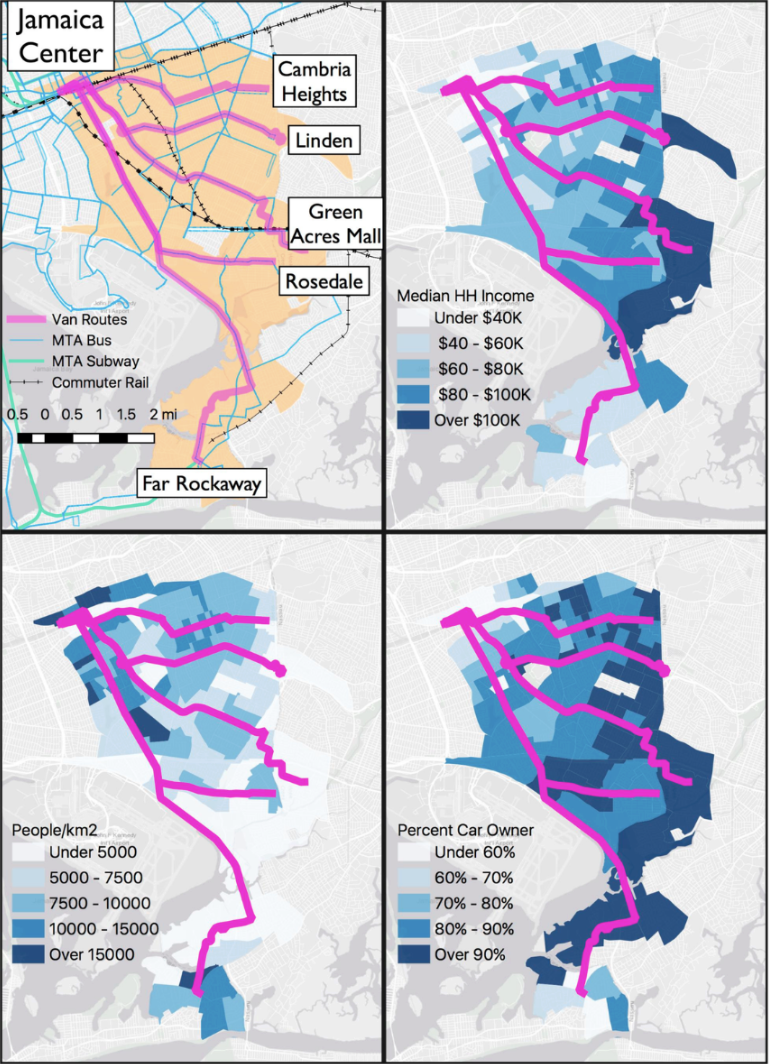
Graphs showing census data mapped with Dollar Van routes.
Source: “Do Private Transport Services Complement or Compete against Public Transit? Evidence from the Commuter Vans in Eastern Queens, New York” Catherine Musili and Deborah Salon, 2019.

Junkanoo: Folklore with a Rebel Spirit
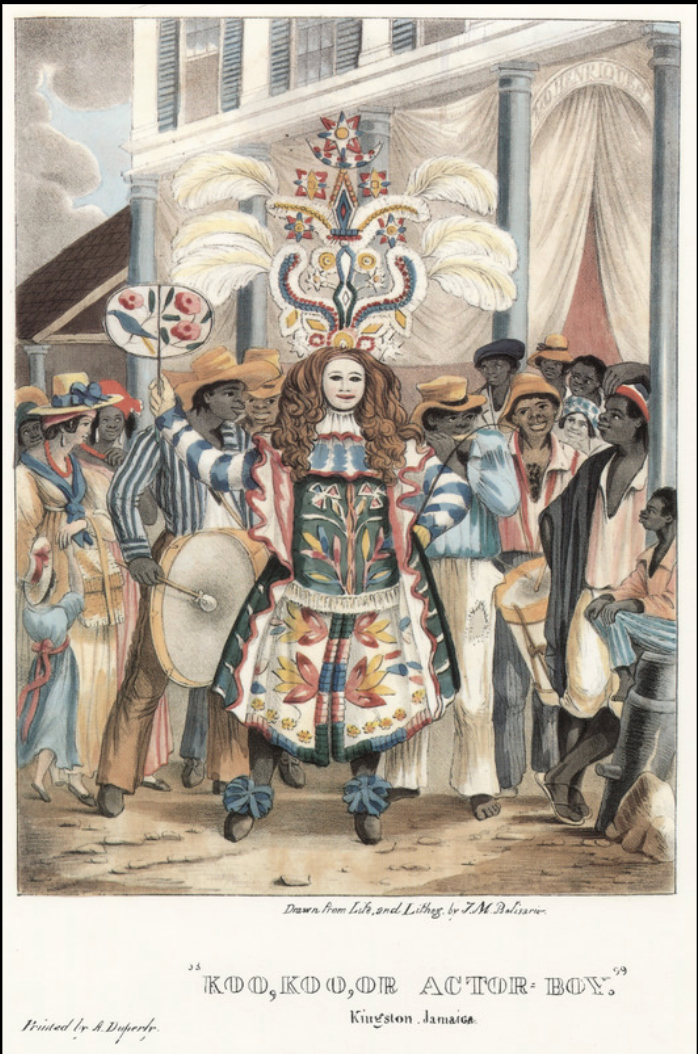
The following four costumes and are from Jodie Lyn-Kee-Chow’s 2022 exhibition Junkanooacome, a multimedia installation that reimagines the African-rooted tradition of Junkanoo. For the artist, the project is a tribute to an often overlooked aspect of her Caribbean heritage.
Junkanoo dates back to the 17th century, when enslaved Africans used their limited holidays to celebrate through music, dance, and costume, expressing joy, resistance, and cultural identity, and often mocking their enslavers. Held during the Christmas season, the festival features handcrafted masks, drumming, and folklore, blending African heritage into a uniquely Jamaican celebration with a spirit of defiance.
“Junkanooacome,” meaning “Junkanoo is coming” in Jamaican Patwa, echoes the chant of onlookers welcoming the masqueraders. Featured here are traditional characters such as House Head, Jack-in-the-Green, Horse Head, and Pitchy Patchy. Other iconic figures in the Junkanoo parade include Cow Head, Devil, Wild Indian, and Belly Woman, each with unique costumes, dances, and roles.
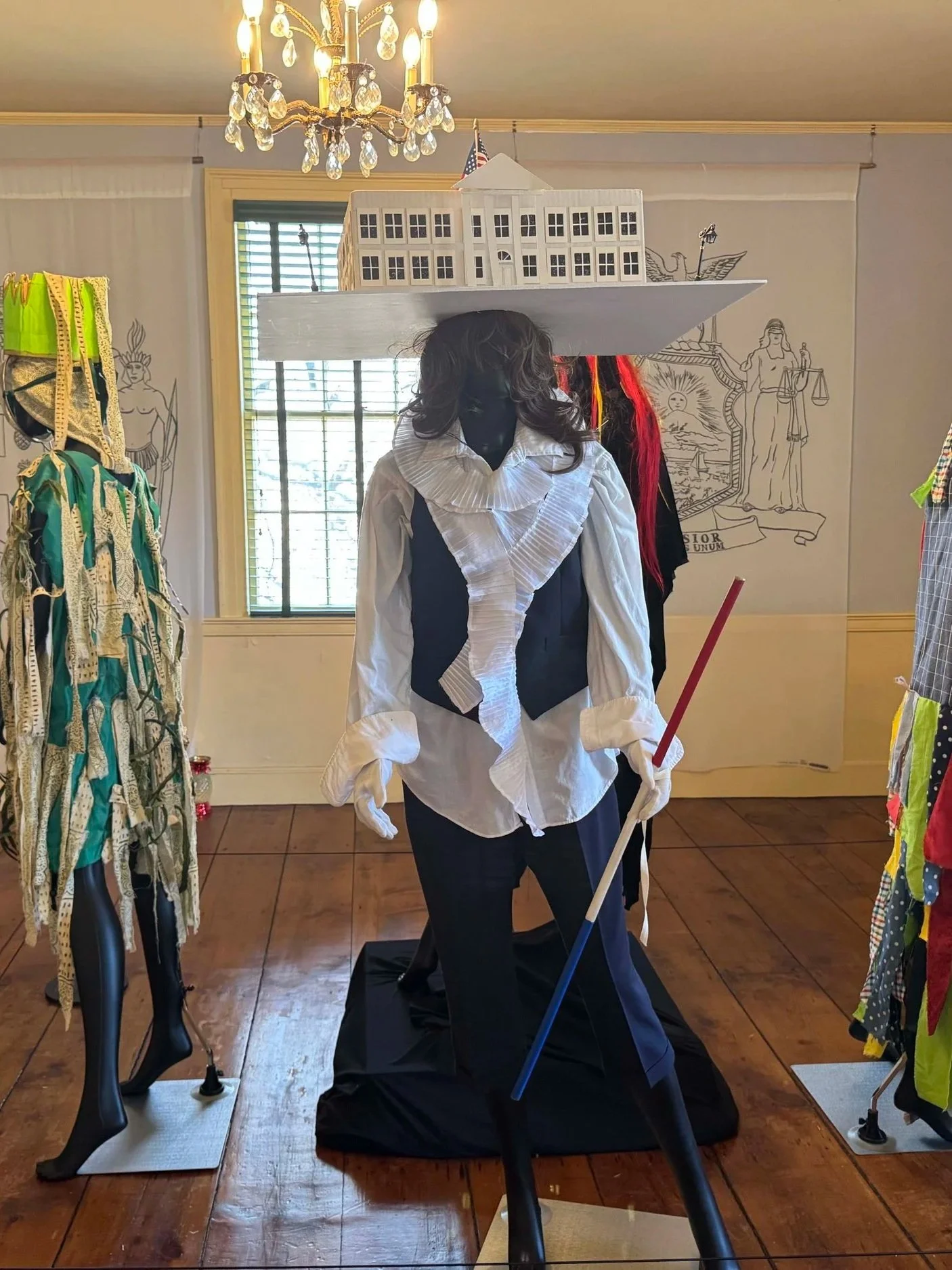
House-head
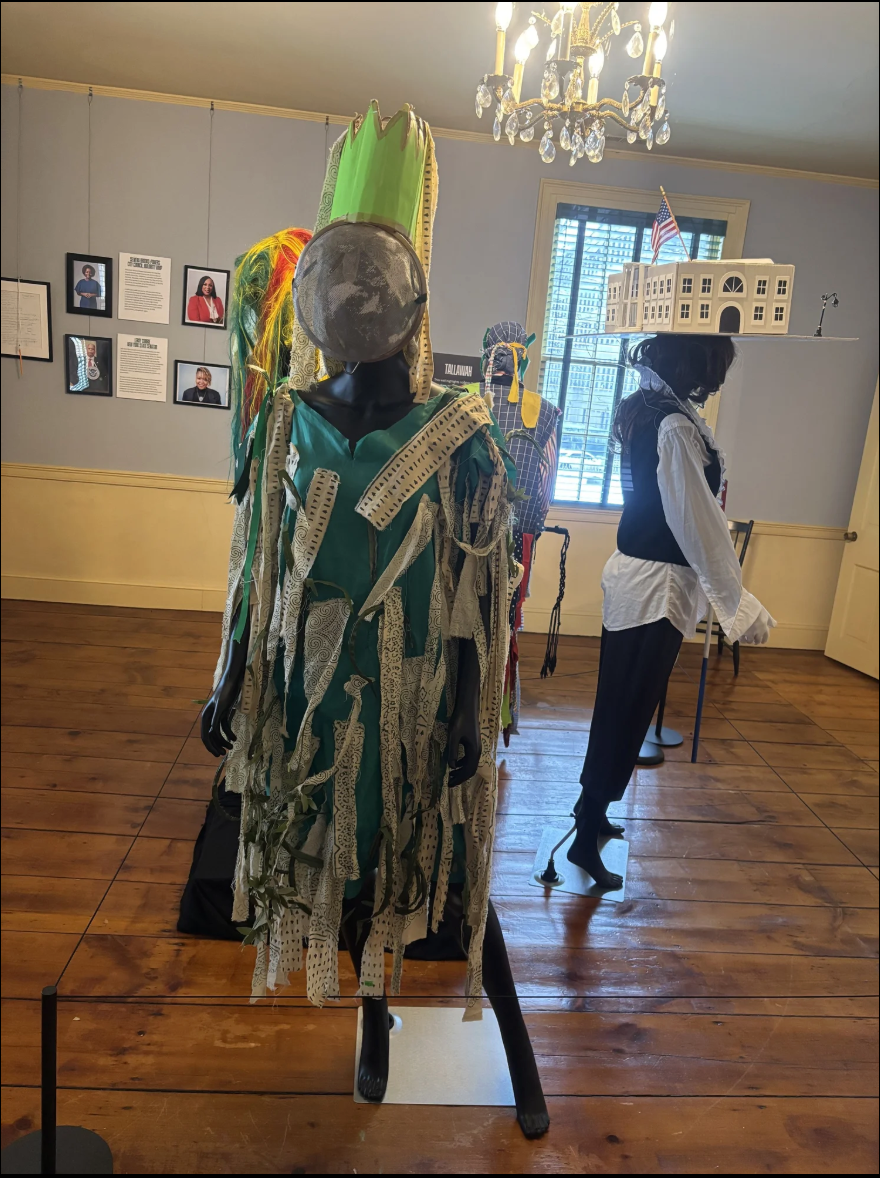
Jack-in-the-green
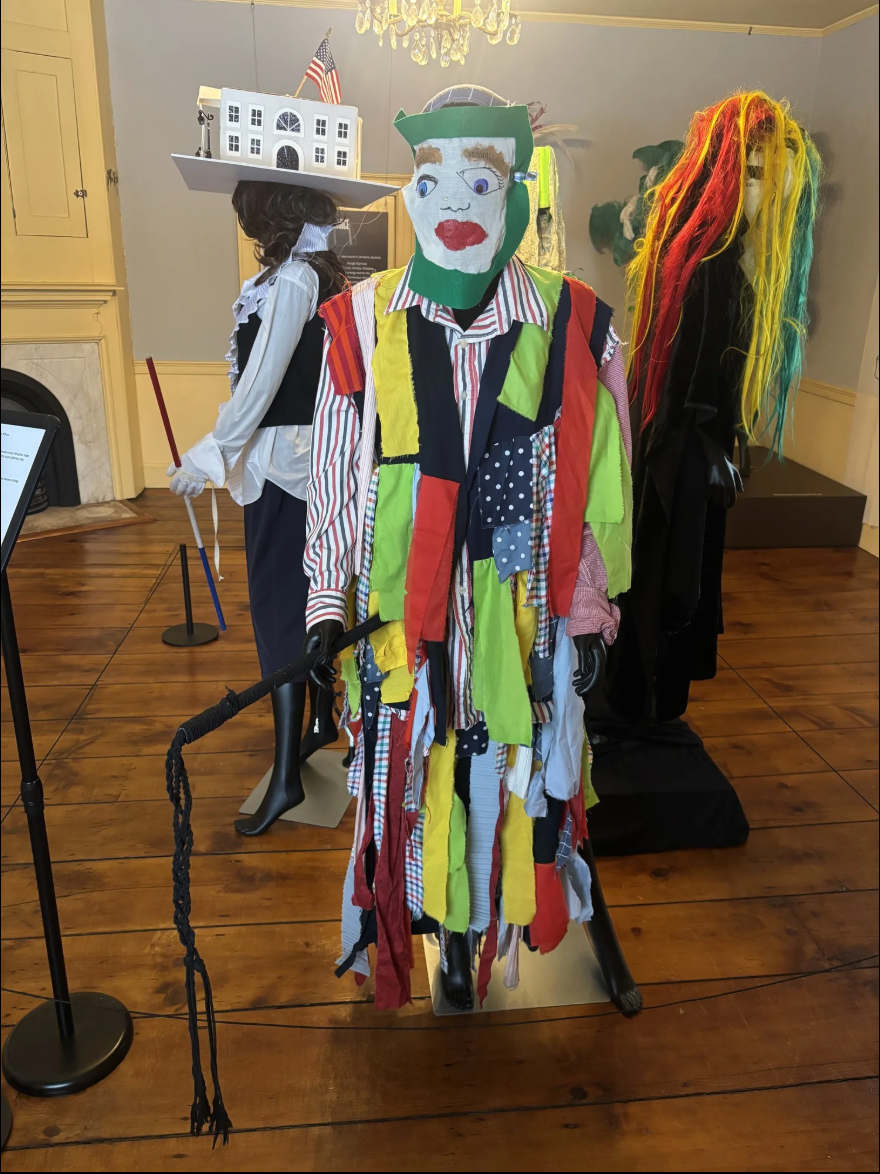
Pitchy Patchy
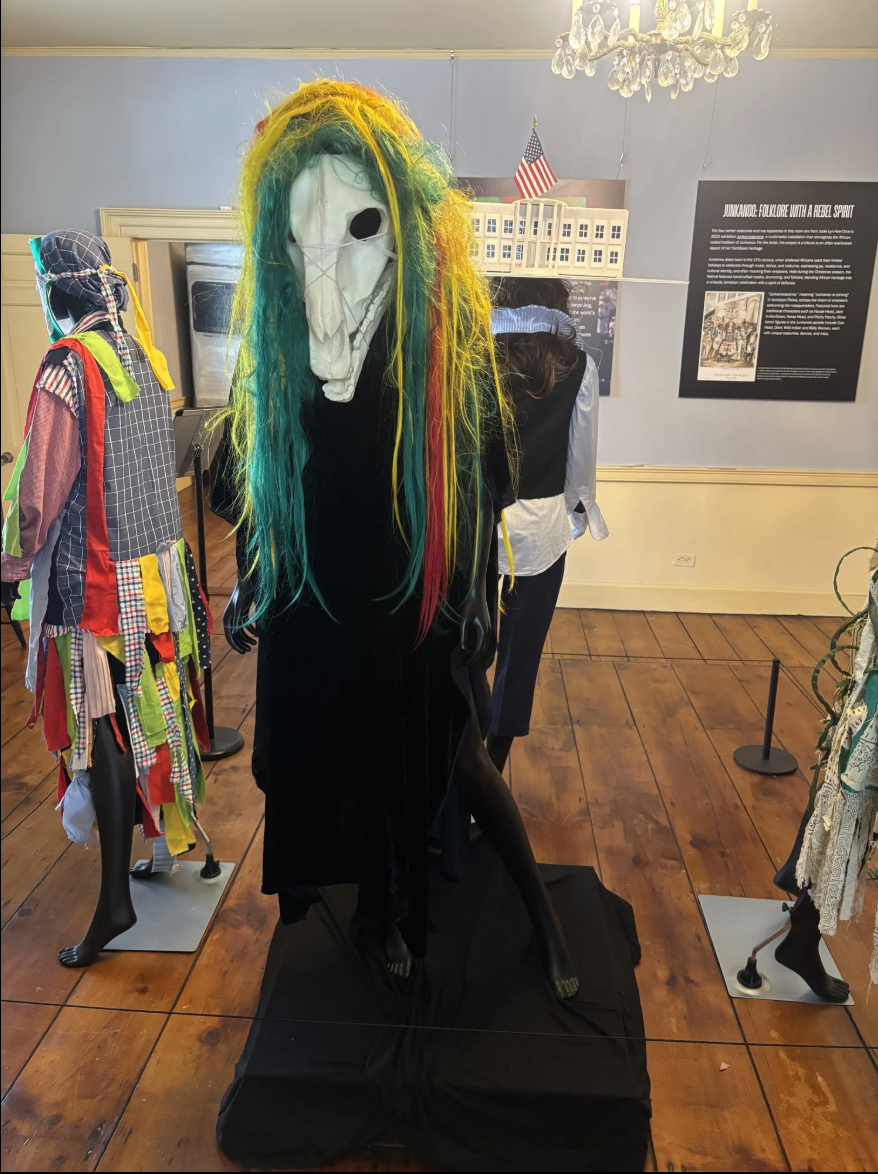
Horse-head
Spectacle
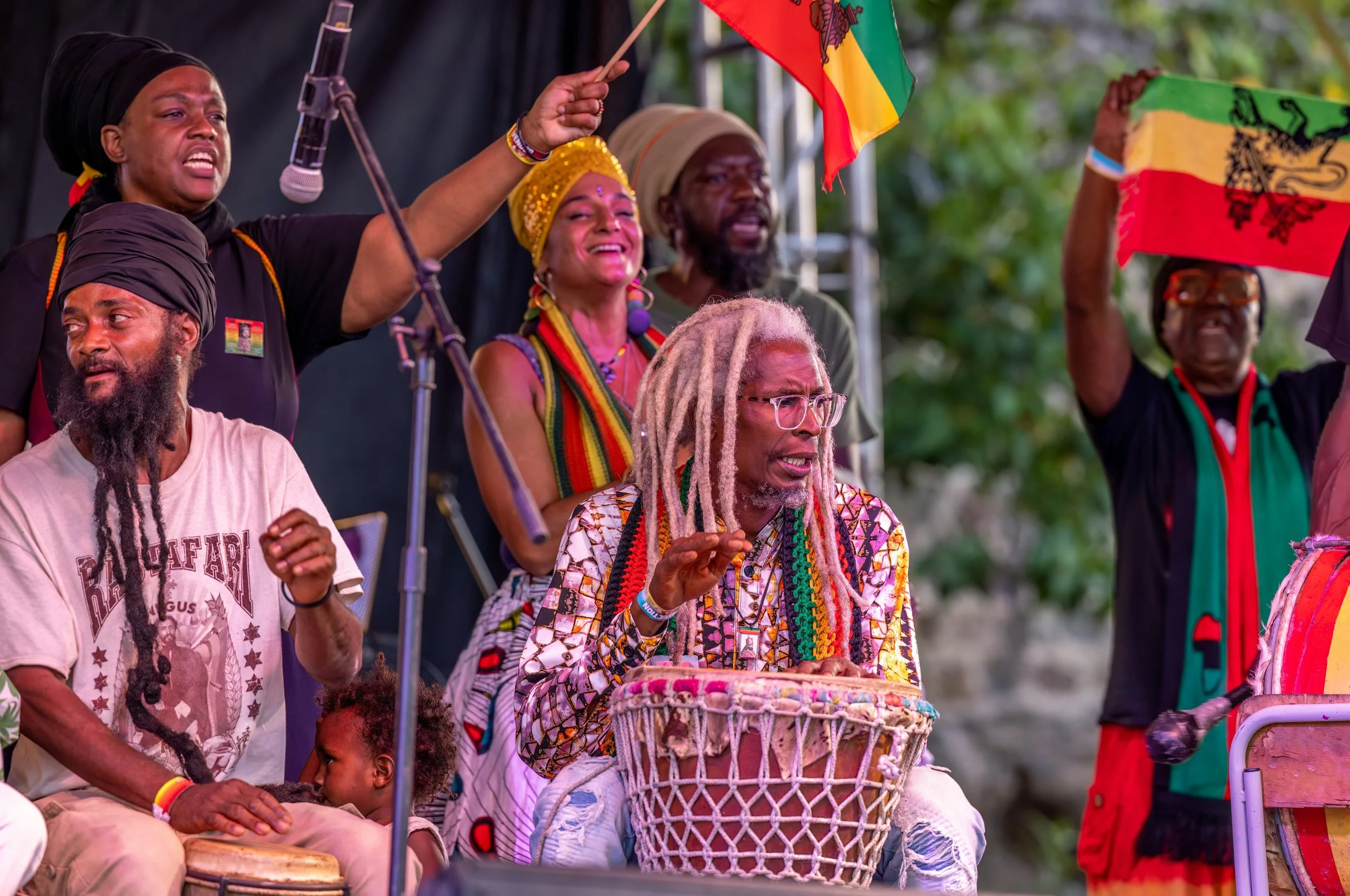
Jamaican culture is a vibrant spectacle of music, dance, costume, and celebration. In Jamaica, Queens these rich traditions thrive through local festivals, dancehall events, and performances. Organizations like Braata Productions work year-round to preserve and promote Caribbean heritage through folk music, storytelling, and theater. VP Records, based in Jamaica, Queens, is the world’s largest independent Caribbean music label and distributor, highlighting the area’s global cultural impact. The True Tribute Organization Foundation Inc. (TTOFI), founded in 2014, produces The Jamaican Music Experience (J.A.M.E), a celebration of Jamaican culture and history, often in partnership with VP Records. The Jamaica Center for Arts and Learning also showcases Caribbean music and dance, serving as a key hub for local artists and creatives.
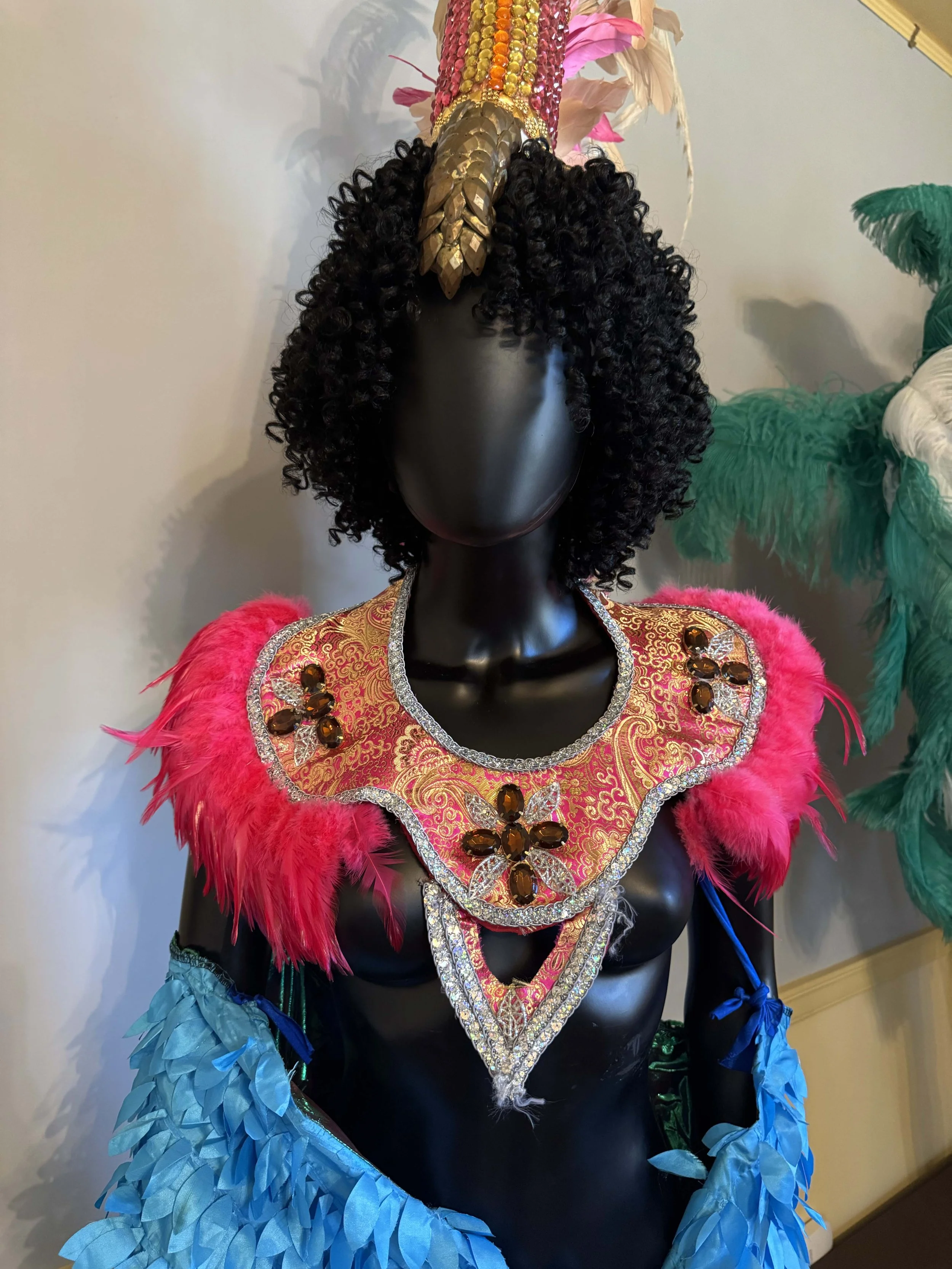
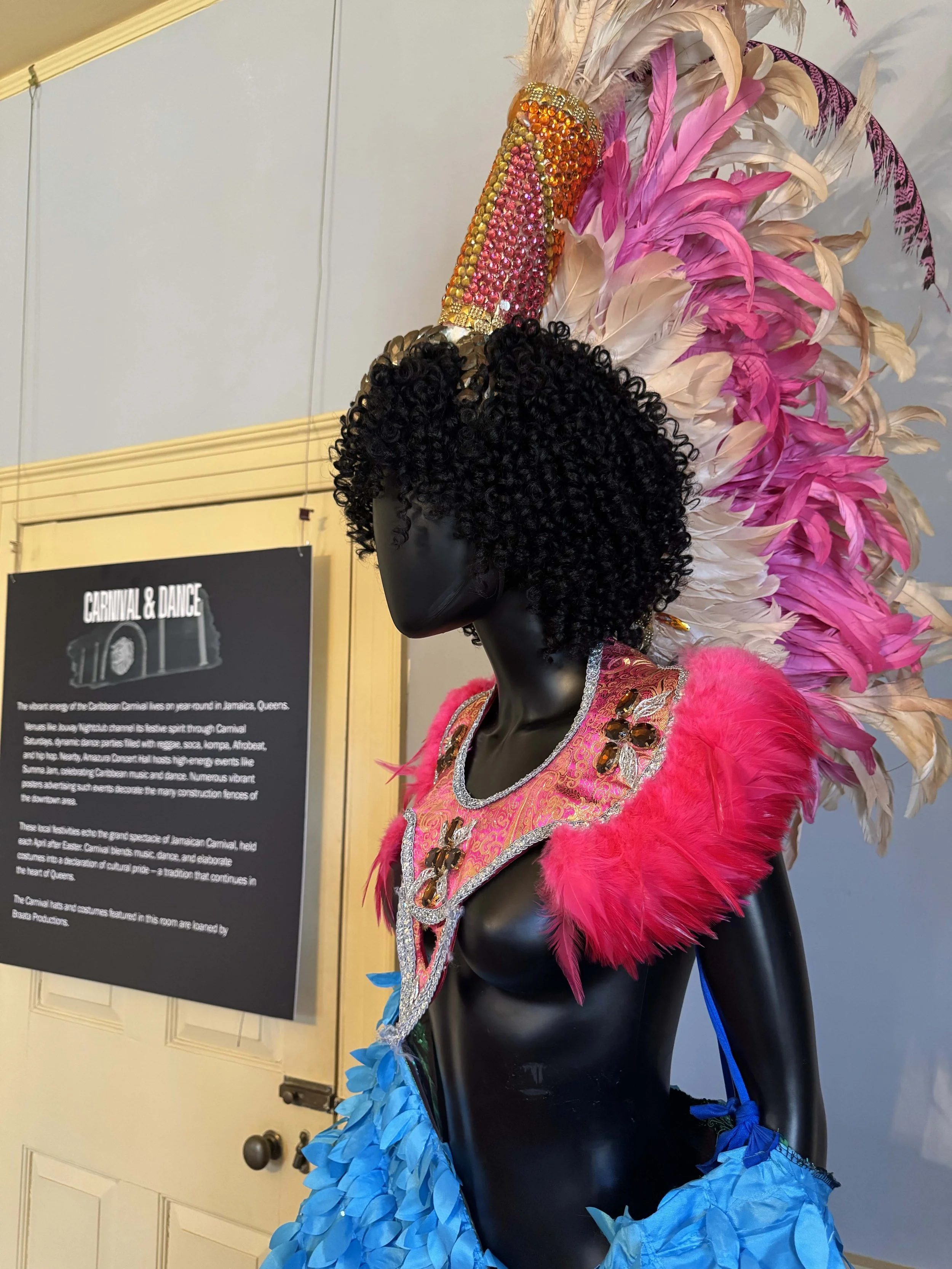
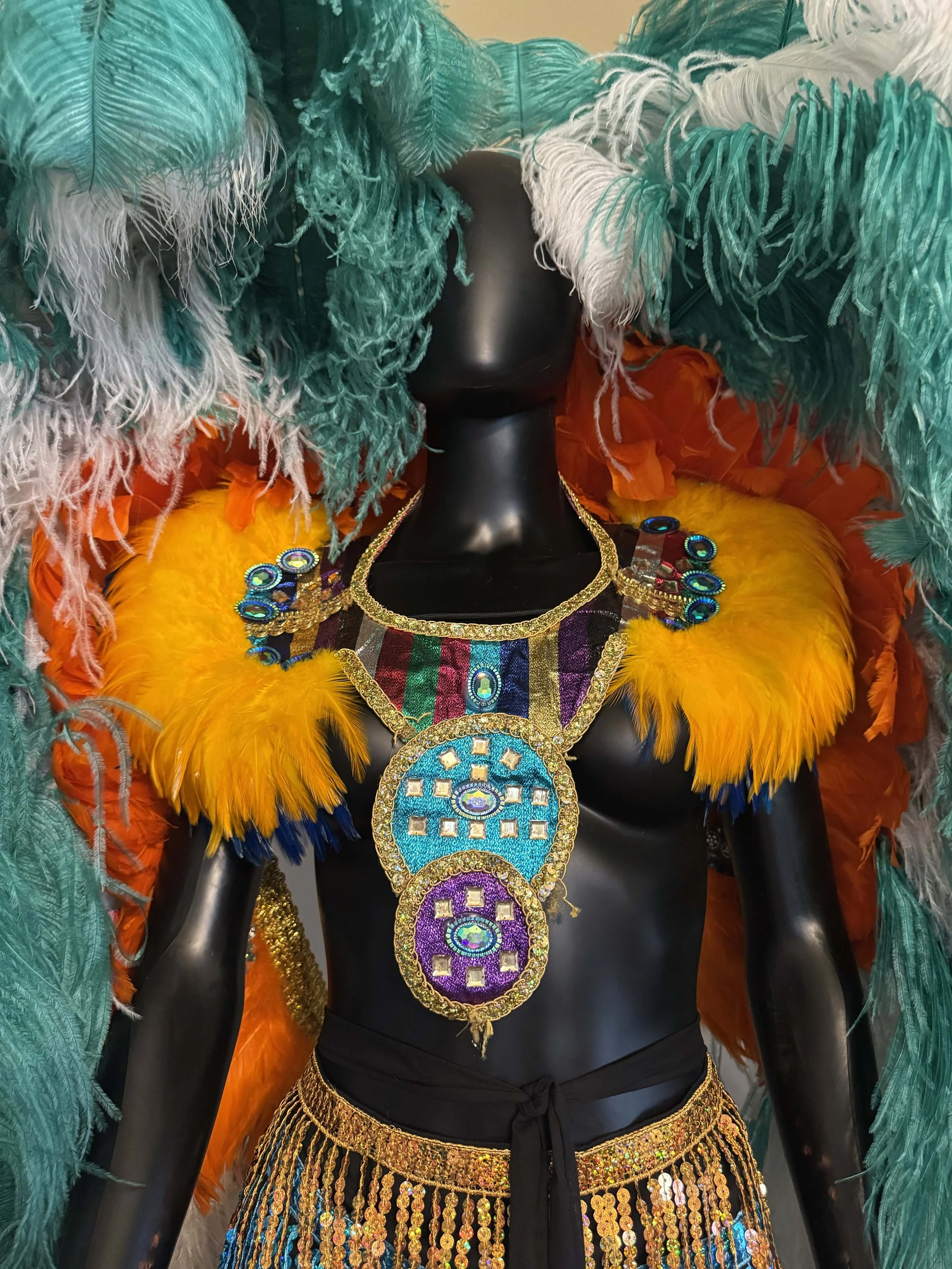
Carnival & Dance

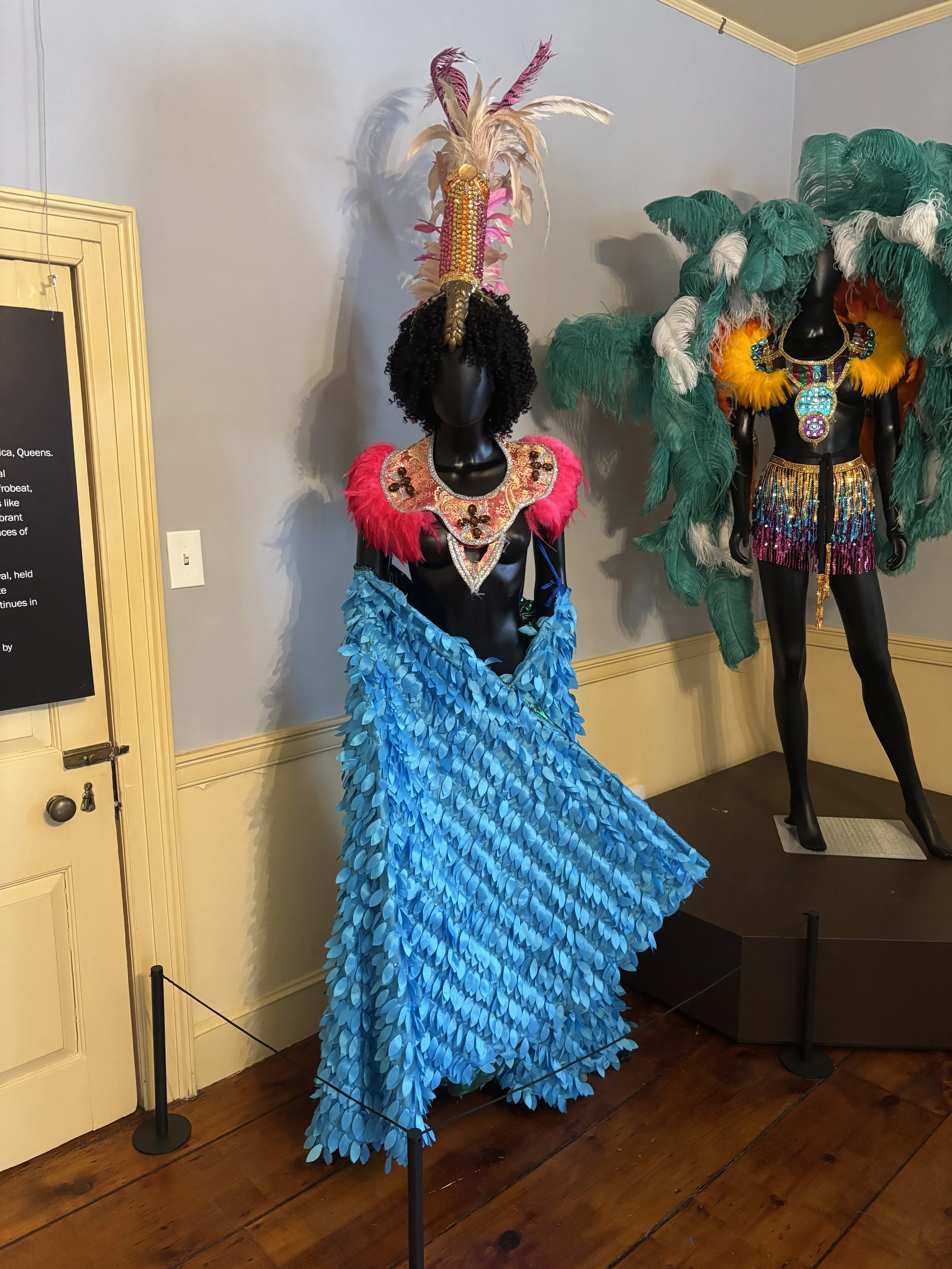
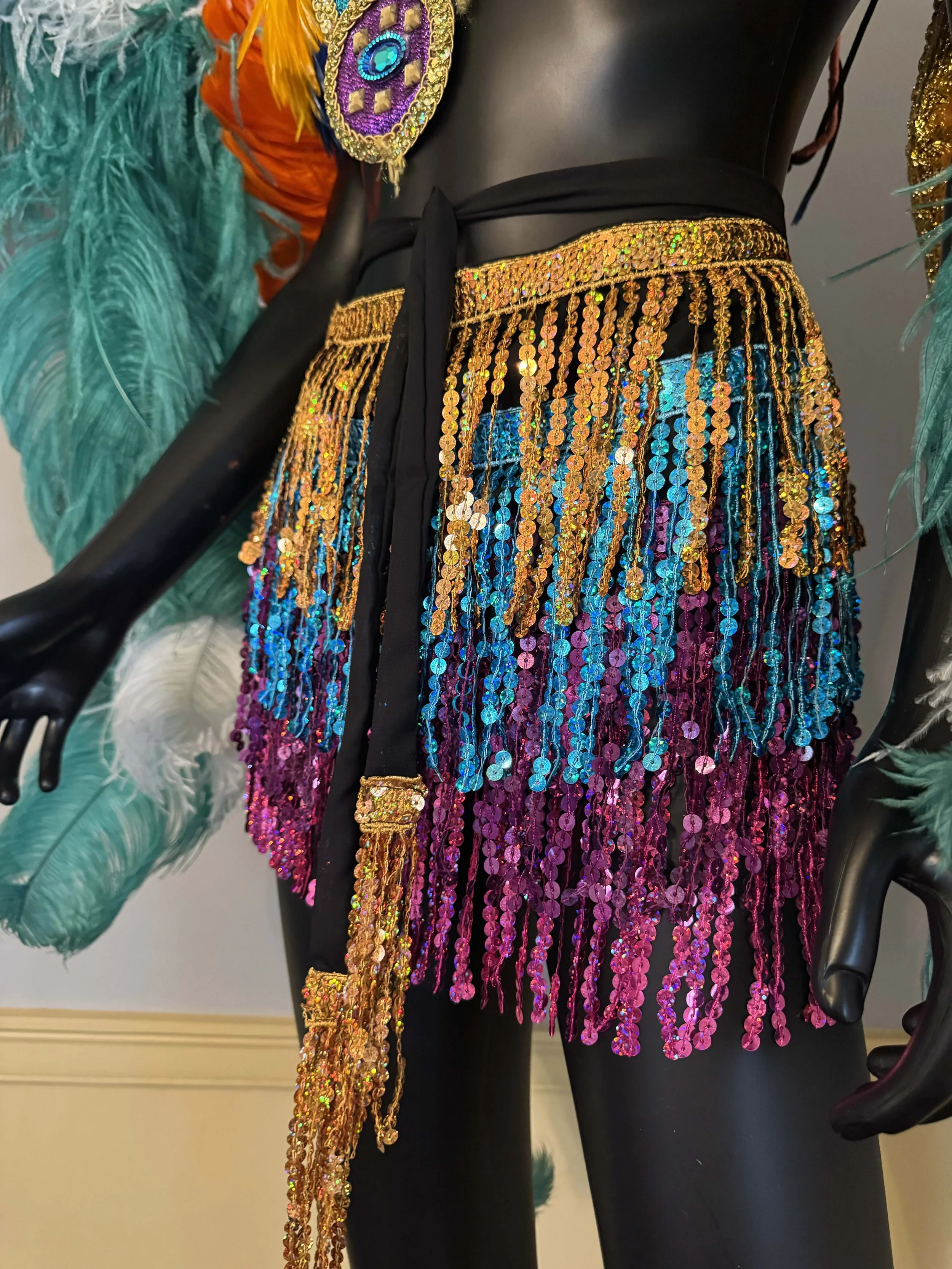
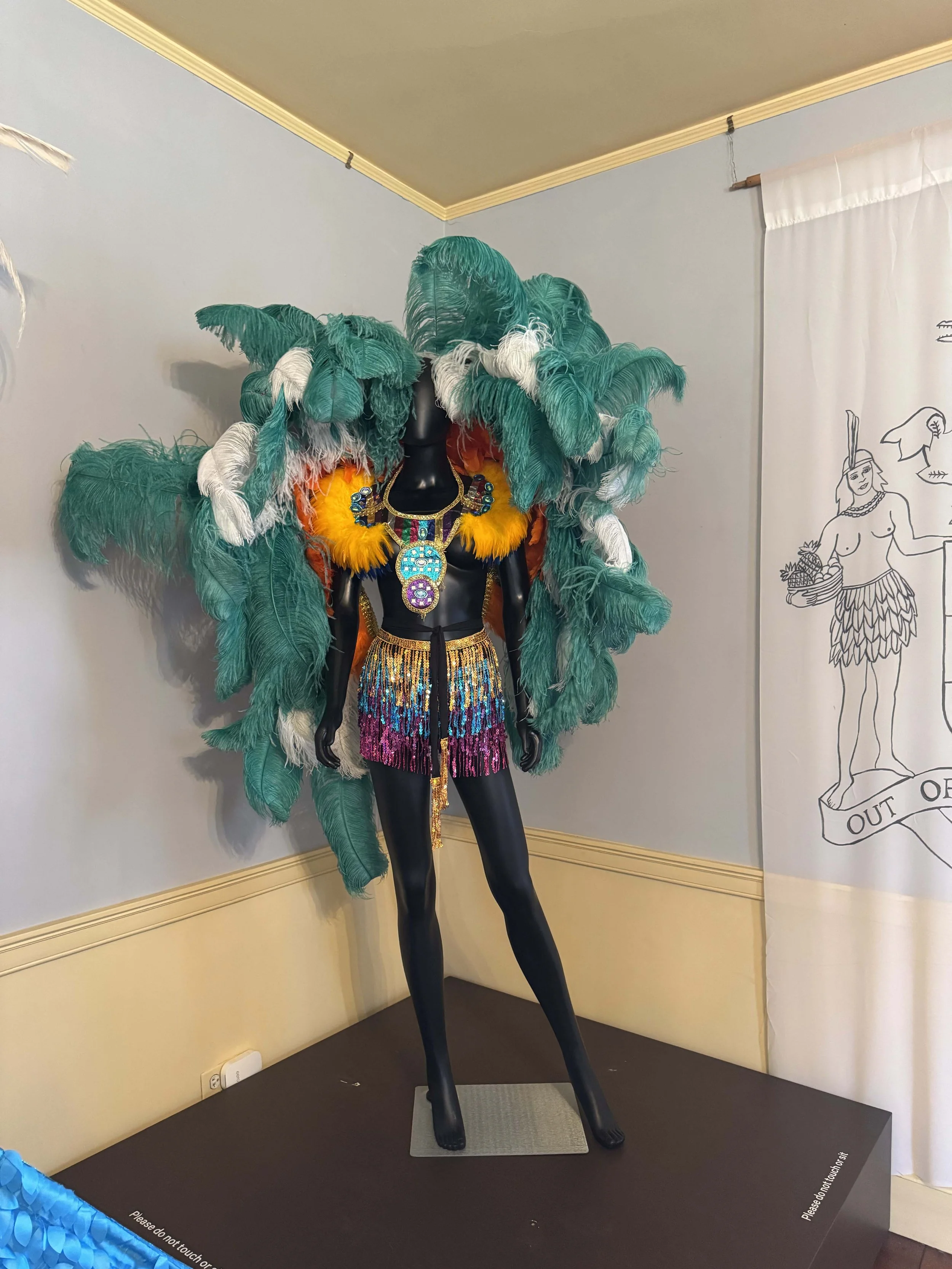
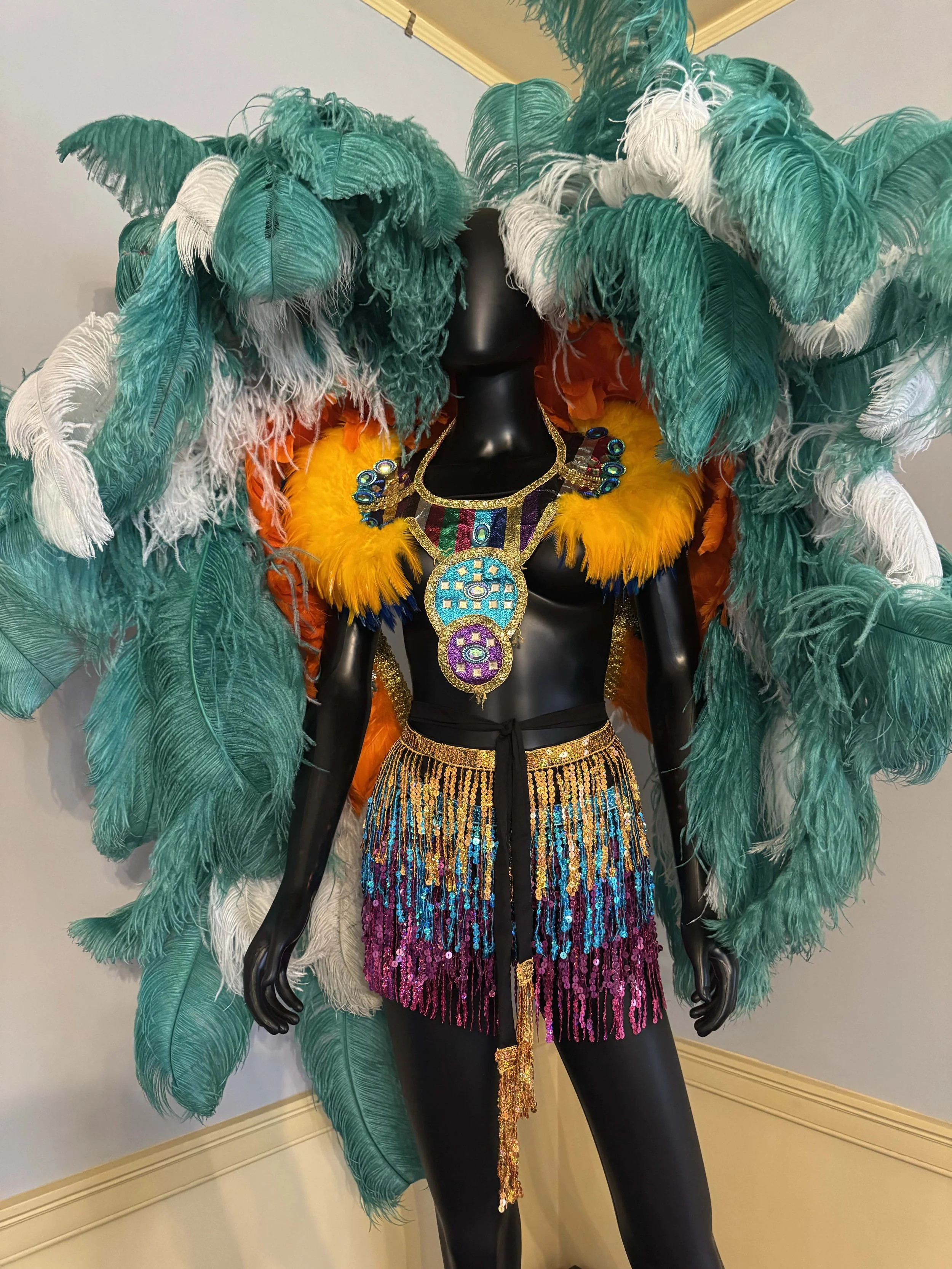
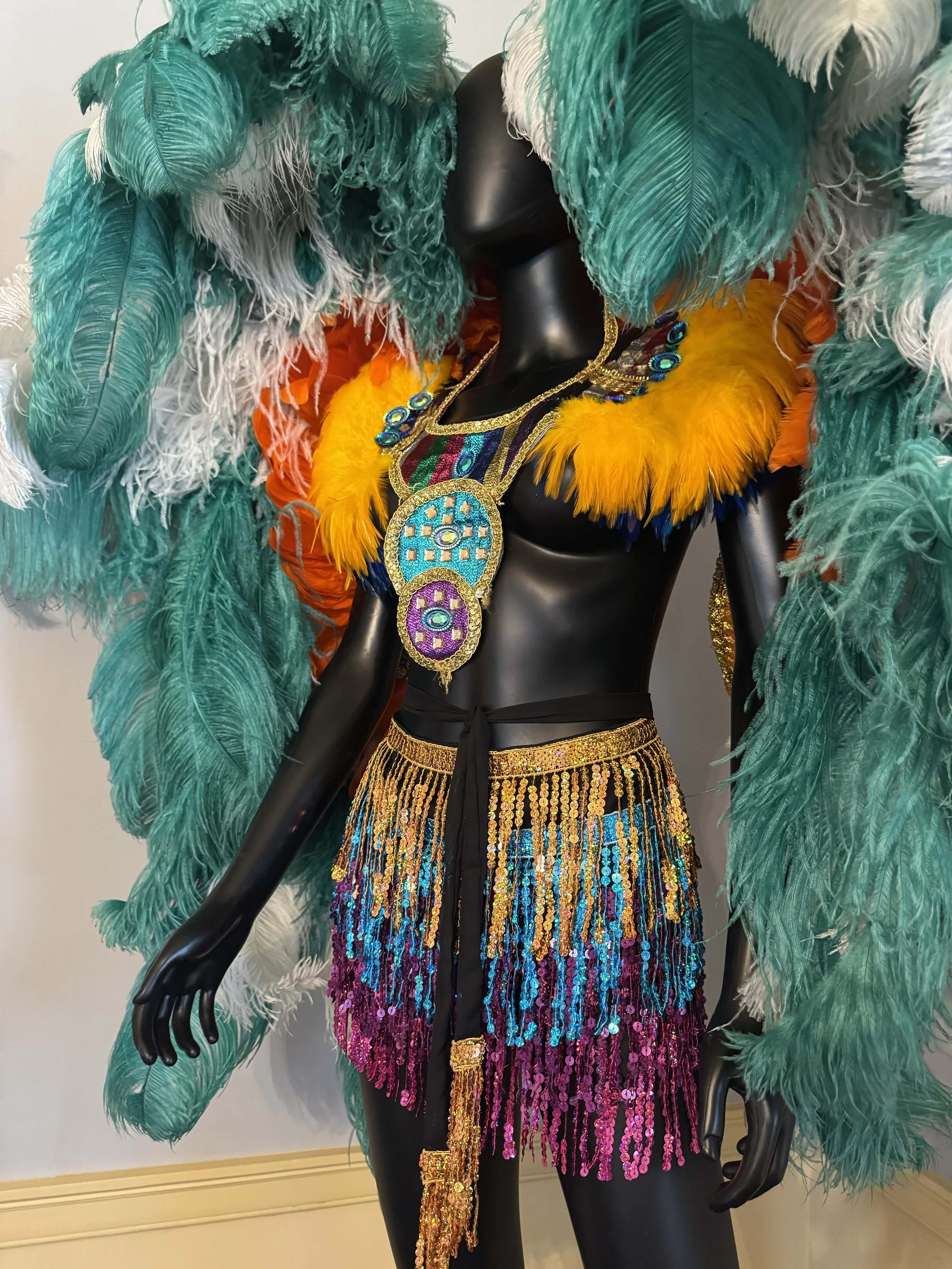
The vibrant energy of the Caribbean Carnival lives on year-round in Jamaica, Queens. Venues like Jouvay Nightclub channel its festive spirit through Carnival Saturdays, dynamic dance parties filled with reggae, soca, kompa, Afrobeats, and hip hop. Nearby, Amazura Concert Hall hosts high-energy events like Summa Jam, celebrating Caribbean music and dance.
These local festivities echo the grand spectacle of Jamaican Carnival, held each April after Easter. Carnival blends music, dance, and elaborate costumes into a declaration of cultural pride — a tradition that continues in the heart of Queens.
The Carnival hats and costumes featured in this room are loaned by Braata Productions.
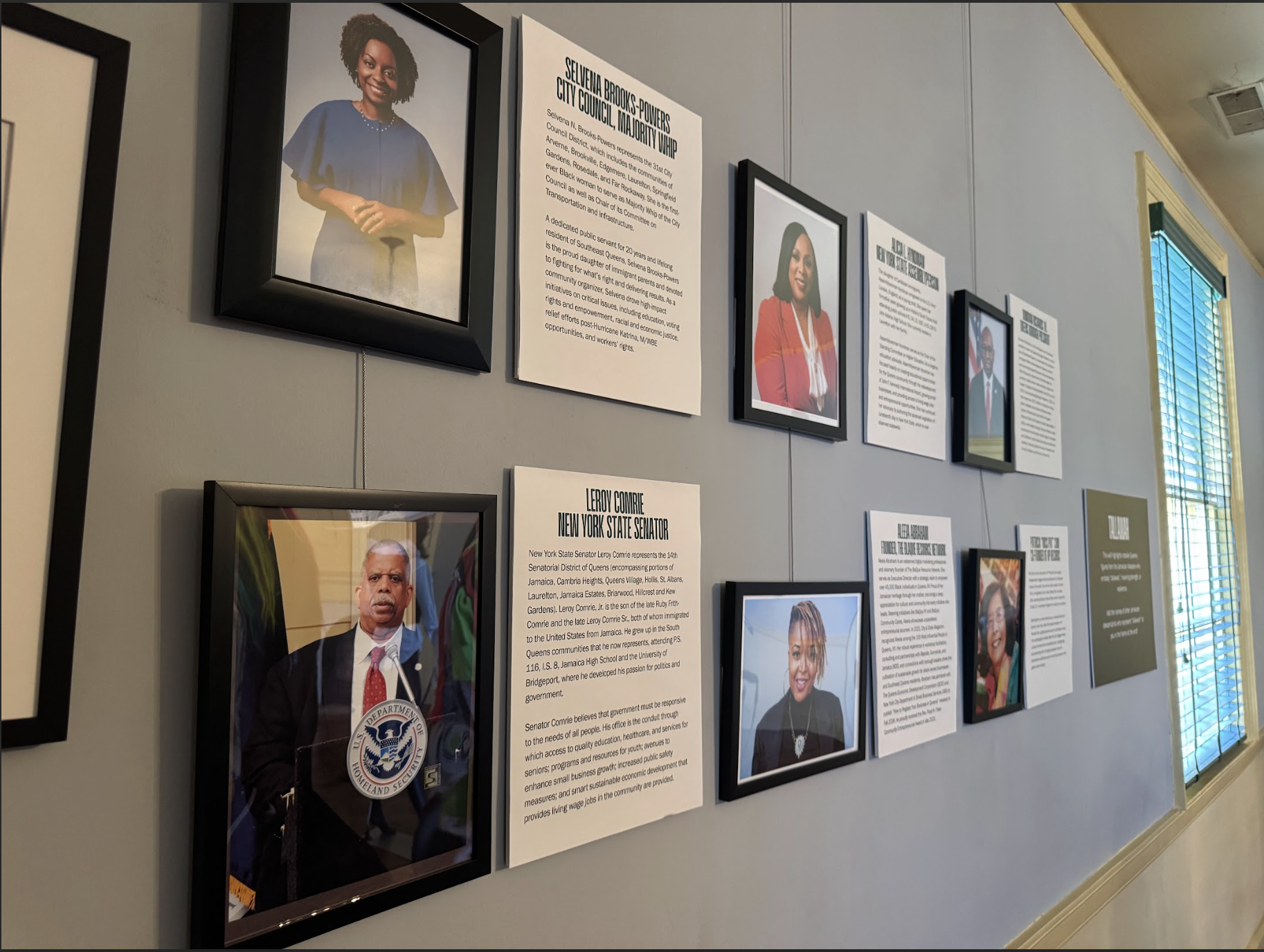
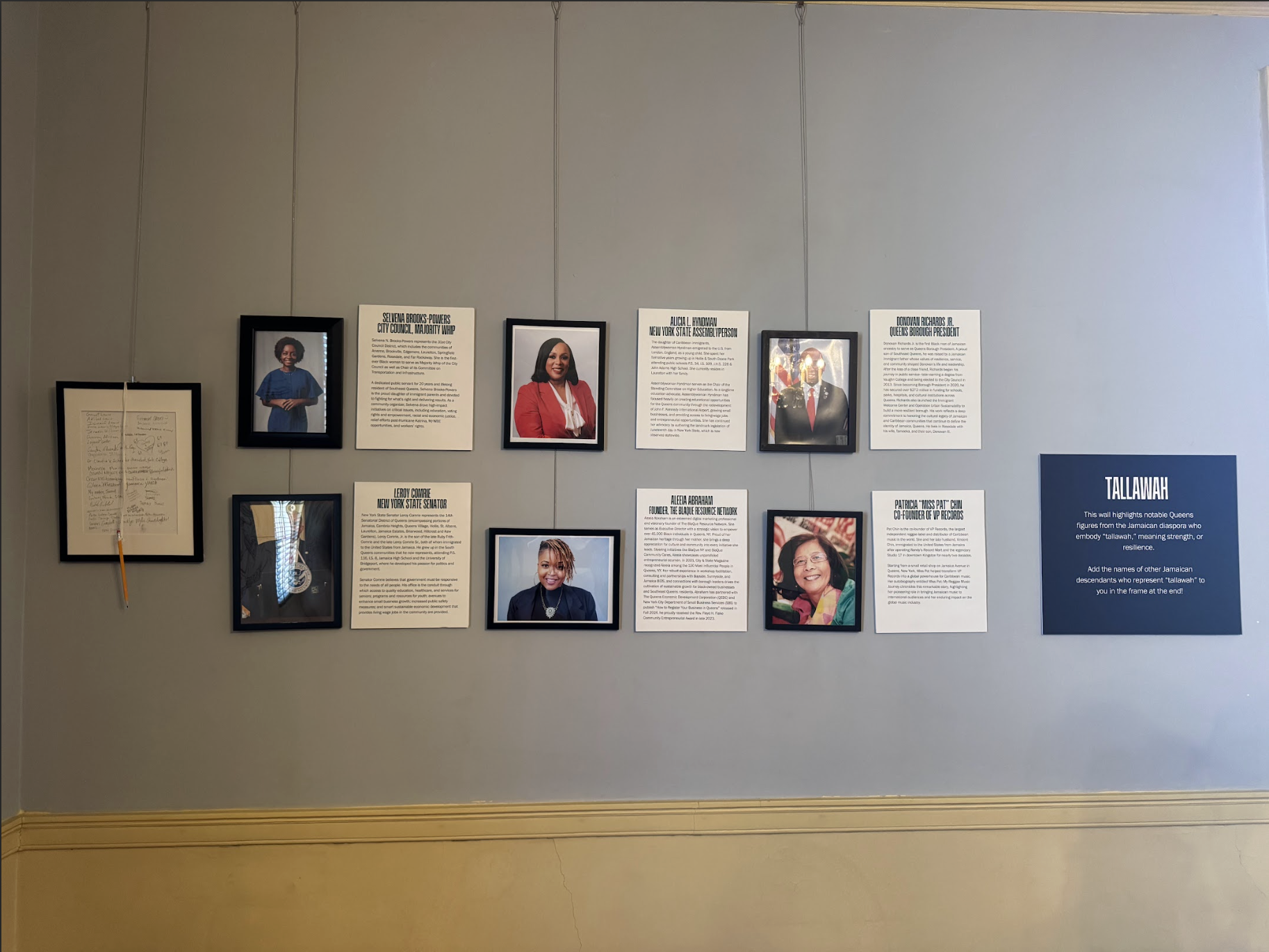
TALLAWAH
This wall highlights notable Queens figures from the Jamaican diaspora who embody “tallawah,” meaning strength, or resilience.
Add the names of other Jamaican descendants who represent “tallawah” to you in the frame at the end!